


THE BATTLE FOR NARRATIVE IN KP
ALI AFRIDI
Walk into any university campus in Peshawar or Mardan, and you will find students constantly exchanging videos, comparing ideas and debating issues in ways their parents never did. Some of the content they consume connects them to opportunities, new skills and a wider world. At the same time, some of it can fuel anger, grievances and in extreme cases, violence. Khyber Pakhtunkhwa now stands at this crossroads, and the choices made over the next decade will shape not only the province but the future of the entire country.
Internet did not create radicalization in KP, but it has given it new speed and reach. Radicalization did not originate online; however, the internet has certainly provided it with a velocity and geographic spread that were previously unknown. Extremist groups are no longer limited to distributing pamphlets at bus stops. Instead, they operate Telegram channels, upload sermons on YouTube and produce polished social media content aimed directly at young men who feel marginalized or left out. The message remains consistent: the system has failed you; outsiders have wronged you, and your life will gain meaning if you join their cause.
What makes this particularly effective in KP is the combination of genuine grievances and information poverty. Youth unemployment in the province is often significantly higher than the national average. As a result, many young people harbour real frustrations about the lack of opportunities, corruption and what they perceive as neglect by the State. Radical narratives do not always rely on outright lies; rather, they draw on these genuine grievances and redirect the resulting anger toward destructive ends. In contrast, the counter-narratives offered by the State and civil society have often been slow, overly preachy and ultimately unconvincing.
However, there is also a quieter but growing “ecosystem of positive content” on the internet. Young entrepreneurs from Swat share their businesses on Instagram. Female students in Kohat discuss career choices in Facebook groups. Journalists and educators have developed Pashto YouTube channels that focus on civic rights and critical thinking.
This kind of counter-narrative works because it does not rely on lectures. Instead of telling people what to think, it simply shows alternative paths and possibilities.
When asked how they verify information they encounter online, many young people in KP cite the combination of genuine grievances and information poverty. Youth unemployment in the province is often significantly higher than the national average. As a result, many young people harbour real frustrations about the lack of opportunities, corruption and what they perceive as neglect by the State. Radical narratives do not always rely on outright lies; rather, they draw on these genuine grievances and redirect the resulting anger toward destructive ends. In contrast, the counter-narratives offered by the State and civil society have often been slow, overly preachy and ultimately unconvincing.
However, there is also a quieter but growing “ecosystem of positive content” on the internet. Young entrepreneurs from Swat share their businesses on Instagram. Female students in Kohat discuss career choices in Facebook groups. Journalists and educators have developed Pashto YouTube channels that focus on civic rights and critical thinking.
This kind of counter-narrative works because it does not rely on lectures. Instead of telling people what to think, it simply shows alternative paths and possibilities.
When asked how they verify information they encounter online, many young people in KP give revealing answers: most do not. This is not necessarily because they are careless, but because no one has taught them how to do it. School curricula across the province have not adequately incorporated digital literacy—specifically the ability to critically assess sources of information, recognize manipulation and distinguish reliable information from content laced with propaganda or misinformation.
This gap needs to be addressed with the same urgency as physical security. A young person who can identify a manipulated video or question why a particular piece of content provokes outrage is far less likely to be easily radicalized. Countries that have taken this issue seriously, including Finland and Estonia, have incorporated media literacy into school curricula from an early age and have seen measurable results. There is no reason why KP cannot adopt a similar approach, adapted to its own social context and local languages.
Outside the formal education system, community-level digital literacy initiatives can also play an important role. Programs run through mosques, community centres, and local organizations can reach individuals who are already out of school. Some NGOs operating in the province have begun implementing such initiatives. The real challenge, however, lies in sustaining and scaling up funding so that these programs can move beyond pilot phases and reach a wider audience.
One of the most consistent findings in counter-radicalization research worldwide is that young people who have something to lose are less likely to gravitate toward violence. That “something to lose” might be a business, a sports career, a professional skill or simply a strong sense of belonging within a supportive community. In this context, sports and entrepreneurship programs in KP carry far more importance than they are often given credit for.
Cricket academies, football leagues and martial arts training initiatives in districts such as Swabi, Charsadda and Dera Ismail Khan have done more than just produce athletes. They have provided young men with structured environments, mentors and peer networks that directly counter the pull of extremist organizations. A teenager preparing for a regional cricket tournament is not only learning how to bat; he is also developing discipline, respect for rules and an identity linked to something constructive and positive. Such programs require sustained government investment as well as collaboration with the corporate sector.
On the entrepreneurship side, small business incubators and vocational training centres have quietly produced success stories across the province. Young women in Swat running embroidery cooperatives, tech-savvy youth from Peshawar building freelancing careers and farmers in Malakand experimenting with new crops and marketing them through social media are all examples of alternative pathways. These efforts also function as powerful counter-narratives, demonstrating that progress and opportunity are possible without resorting to violence or extremism.
The battle for narrative in KP is not a military operation. It cannot be won through checkpoints and surveillance alone. Instead, it will be shaped in classrooms, on football pitches, in small business incubators and across the social media feeds of millions of young people deciding who they want to become and what they want to believe.
Encouragingly, the basic conditions for empowerment already exist in KP. The province possesses talent, resilience and a young population eager for opportunity. What is required now is a coordinated effort between government, civil society, the private sector and local communities to invest seriously in digital literacy, sports infrastructure and youth entrepreneurship. Extremist groups already understand that whoever shapes the narrative ultimately shapes the future. It is time for everyone else to recognize this with equal seriousness.

DR BASHIR AHMAD
In the quieter corners of Peshawar, in the steady, unhurried hum of a Mardan chai dhaba, or beneath the open sky of Abbottabad’s parks, conversations rarely begin with questions of policy or public finance. They start with everyday matters of weather, family, rising prices, but sooner or later, almost inevitably, they drift toward something more fundamental.
Not in formal language, but in a way that carries weight, people ask: where does all the money go?
It is not an accusation nor even a complaint. More often, it is an observation shaped by lived experience. A slow recognition of a gap between what is expected from public spending and what is actually delivered. These are not isolated grievances but visible markers of a deeper fiscal and administrative disconnect. And in that quiet, everyday reflection, ordinary people arrive at a question that lies at the heart of governance itself: whether the allocation of resources is truly translating into the delivery of public goods.
The answer is not dramatic nor scandalous in the usual sense. It is something more ordinary, and therefore, more dangerous. Khyber Pakhtunkhwa (KP) in 2026 is not broke. It is financially stretched, structurally dependent, and administratively tired. And when those three forces combine, what you get is not collapse but a slow erosion.
Clarity on federal transfers/ allocation for KP: The Money That Comes… But Never Fully Feels Yours
The money, in a technical sense, does arrive. But in a more grounded, almost experiential sense, it rarely feels entirely within reach.
The own-source revenue KP generates through its own taxation and non-tax mechanisms is limited. Its fiscal architecture is still heavily anchored in federal transfers under the National Finance Commission (NFC) framework, with over 85–90% of provincial revenues originating from these intergovernmental flows. On paper, this arrangement is designed to promote equity across federating units. In practice, however, it produces a structural dependence that gradually shapes fiscal behaviour. When the overwhelming share of resources comes from outside the provincial economy, the focus subtly shifts from expansion and internal mobilisation to adjustment and financial survival. Autonomy, in such a setting, becomes conditional rather than absolute.
Yet the challenge does not end with dependence alone. The timing and reliability of these transfers introduce an additional layer of fiscal fragility. In periods of macroeconomic stress (whether due to national revenue shortfalls, external financing constraints, or IMF-driven fiscal adjustments), federal transfers may be delayed, staggered or released in partial tranches. For a province already operating with limited fiscal headroom, such delays are not minor administrative inconveniences. They translate directly into liquidity pressures. The response is often predictable: recourse to short-term borrowing, mid-year budget revisions and administrative recalibrations to keep the system functioning.
In this environment, fiscal planning gradually loses its strategic character and becomes an exercise in managing uncertainty. The uncertainty shifts the focus from long-term development trajectories more to meeting the immediate financial obligations on the face of delays in the expected inflows, thereby creating a self-reinforcing cycle of economic vulnerability.
Development slowdown: Budgets That Promise Growth but Deliver Constraint
Every budget season carries a familiar rhythm—optimistic speeches, development commitments and projections that hint at progress. Yet, as the fiscal year unfolds, those projections meet reality.
A substantial portion of about 70–75% in KP’s budget is absorbed by salaries, pensions and administrative costs. That leaves limited fiscal space for development spending, which is the only category that directly transforms lives on the ground. Even that limited development envelope is not stable. The Annual Development Programme (ADP), which represents KP’s roadmap for infrastructure and service delivery, is frequently subject to revisions and reductions when revenue shortfalls appear.
At the announcement stage, development carries a clear ambition. Projects are approved with defined objectives, timelines are articulated, and expectations are set with confidence; however, as implementation unfolds, that initial clarity begins to erode. Ground-breaking ceremonies are relatively straightforward; the real challenge lies in sustaining momentum through to completion. It is at this stage that fiscal constraints, administrative delays and procedural bottlenecks begin to shape outcomes more than policy intent. Cost overruns become more likely, timelines extend beyond their original scope and funding is often released in staggered phases rather than as a coherent flow. Consequently, projects that were initially framed as time-bound initiatives gradually transition into open-ended undertakings. In administrative language, these are described as “ongoing” projects. In practical terms, however, the label often reflects uncertainty regarding both the pace and probability of completion. This gap between announcement and delivery is where policy intent risks losing its intended impact.
Governance issues affecting public services: The Silent Multiplier of Fiscal Stress
If fiscal constraints are the skeleton of the problem, governance inefficiencies are the force that either strengthens or weakens that skeleton.
In KP, governance challenges manifest in ways that are often visible but rarely addressed with sufficient urgency. Procurement delays stretch timelines. Administrative approvals move slowly. Project monitoring remains inconsistent. And in some cases, political considerations influence technical decisions. This is not just inefficiency, but to be honest, an economic leakage.
KP is faced with substantial gaps of nearly Rs. 90 billion lost due to lower federal tax collection, alongside reductions in expected NFC allocations and persistent shortfalls in funding for merged districts. Altogether, the province estimates a broader fiscal strain exceeding Rs. 250 billion linked to federal transfers alone. This is where fiscal management begins to blur into political negotiation.
Yet these realities are only partially reflected in the resource-sharing framework. A project delayed by one year often costs significantly more due to inflation, contract revisions and design changes. What should have been a controlled expenditure turns into an expanding liability. Then comes the issue of institutional capacity. Effective governance requires trained personnel, technical expertise and systems that can manage complexity. However, gaps in capacity lead to weak project execution, underutilization of funds and uneven service delivery. The deeper problem, however, is philosophical. Governance, in many cases, is reactive rather than proactive. It responds to problems rather than anticipating them. And in a system under fiscal stress, reactive governance is simply not enough.
Debt: A Quiet Tool That Can Become a Trap
Debt in KP is not headline-grabbing. There are no dramatic debt crises or international defaults at the provincial level. But debt exists in a quieter form—mostly internal borrowing to manage cash flow mismatches. At first glance, this is not alarming. Borrowing to smooth out timing differences is standard fiscal practice. But the issue lies in the purpose. When borrowing is used to finance productive investment, it generates returns that justify the debt. But when it is used to cover recurring expenses or short-term gaps, it becomes a structural burden. In KP’s case, borrowing often plays the latter role. It fills gaps rather than builds capacity. And over time, even internal debt creates rigidity in the fiscal system—reducing flexibility and increasing pressure on future budgets. In simple terms, the province is not just spending today but quietly borrowing from tomorrow.
The Ground Reality: Where Fiscal Stress Becomes Human Experience
All of this may sound abstract until you step into the spaces where the system actually touches people.
In public hospitals, shortages of staff and equipment are common. Patients wait longer than they should. In schools, infrastructure gaps and teacher shortages affect learning outcomes. In rural areas, development projects often remain incomplete or poorly maintained. Municipal services, like water supply, sanitation, and waste management, vary widely in quality. In some areas, they function adequately; in others, they barely function at all. These are not isolated failures. They are the visible outcomes of fiscal pressure combined with governance inefficiency. And perhaps the most important point: when services fail, it is not just inconvenience that follows—it is a decline in trust. Trust in institutions, trust in governance, and, over time, trust in the idea that things can improve.
Why Does This Continue? A Difficult but Necessary Question
If the problem is so visible, why does it persist? The answer lies in a combination of structural dependency and institutional inertia. Dependency on federal transfers creates comfort in the short term, even if it limits long-term autonomy. Governance reforms require effort, coordination and political will—three things that are often difficult to sustain consistently. There is also the issue of prioritisation. Development is frequently treated as a visible achievement rather than a systematic process.
This leads to a focus on launching projects rather than ensuring their completion and effectiveness. And perhaps most importantly, there is no simple incentive structure that rewards efficiency over visibility. In many cases, completing ten small projects may generate more political attention than ensuring one large project is executed flawlessly.
The Way Forward: Not Just More Money, But Better Systems
The Rs. 157 billion surplus may represent careful accounting. But it also raises a fundamental question about purpose. What does fiscal discipline mean in a context where development slows, dependence deepens, and service delivery struggles to improve?
Ultimately, public finance is not about balancing numbers but about aligning resources with outcomes. Until that alignment is achieved, KP’s finances will continue to present a composed picture on paper while reflecting a far more constrained reality on the ground. The first and most critical step is strengthening own-source revenue. This is not just a financial necessity, but a matter of autonomy. Without increasing Own Source Revenue (OSR), dependence will continue to define fiscal behaviour. Second, development planning must become more disciplined. This means fewer announcements, but more completed projects. The focus should shift from quantity to quality, from initiation to completion. Third, governance systems need strengthening. Procurement processes must be streamlined. Monitoring mechanisms must be enforced. Accountability must move from being symbolic to operational.
Finally, there must be a shift in mindset from managing budgets to managing outcomes. Because ultimately, fiscal policy is about lives, not numbers.
The Final Reflection: A Province, and the Question of Use
KP’s fiscal stress in 2026 is not just an economic issue. It is a reflection of how a system allocates its resources, manages its priorities and defines its responsibilities. A province is not measured by the size of its budget, but by the quality of its outcomes. And in KP’s case, the challenge is not just scarcity; it is the way scarcity is managed. So the next time the conversation comes up in a shop or a park, and someone asks, “Paise kahan ja rahe hain?”—the more important question might be: “Aur jo paise hain, unka kitna hissa waqai logon tak pohanch raha hai?” Because in the end, fiscal stress is not just about what is missing. It is about what is never fully delivered.
BY: LAILA SADAF
Khyber Pakhtunkhwa (KP), long perceived as the frontline of Pakistan’s fight against terrorism, is steadily scripting a narrative of resilience, reform and strategic recalibration. While the province continues to grapple with the resurgence of terrorism, a closer examination reveals a tapestry of tangible gains rooted in technological advancement, institutional strengthening and coordinated counter-terrorism efforts.
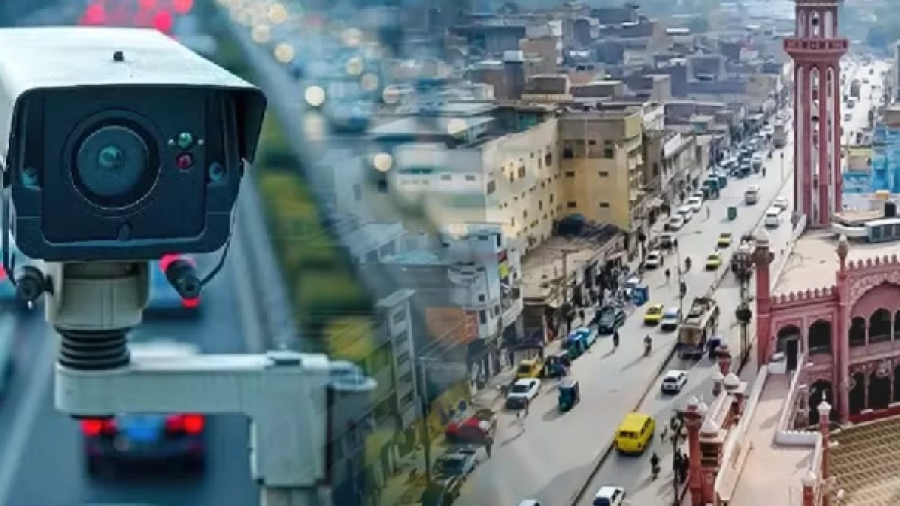
At the heart of this transformation lies the Peshawar Safe City Project, a landmark initiative that signifies a decisive shift from conventional policing to a technologically driven security paradigm. The project integrates surveillance systems, emergency response mechanisms and traffic management into a unified command-and-control infrastructure, heralding what officials describe as an “ironclad digital era” for law enforcement.
Such initiatives are not merely infrastructural embellishments; they represent a strategic pivot towards intelligence-led policing, where data, connectivity and real-time monitoring become the new sentinels of public safety.
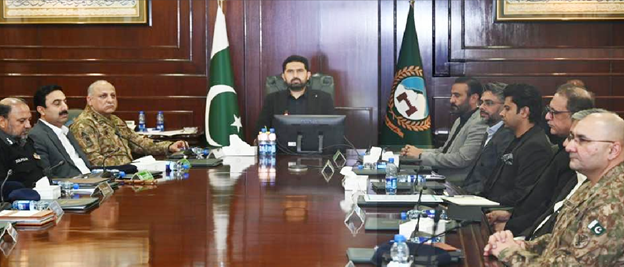
Beyond urban surveillance, the provincial government has undertaken efforts to expand these security frameworks across multiple districts, particularly those historically afflicted by militancy. The planned extension of safe city systems to southern districts such as Dera Ismail Khan, Bannu and North Waziristan reflects a broader vision of geographically inclusive security reform.
This expansion underscores a recognition that security cannot remain confined to urban enclaves but must permeate the province’s most vulnerable frontiers.
Equally significant are the operational gains achieved through enhanced counter-terrorism coordination. Law enforcement agencies, including the police, Counter-Terrorism Department and Special Branch, have demonstrated increasing operational synergy. Their sustained efforts have thwarted numerous potential attacks, reinforcing the state’s defensive posture against evolving militantstrategies.
Recent joint operations, resulting in the elimination of militants, further highlight a proactive rather than reactive approach to security management.
However, these gains unfold against a complex and often volatile backdrop. The resurgence of militant activity, particularly by Fitna-Al-Khawarij (FAK), has intensified the security challenge. Incidents across various districts in 2026, including targeted attacks on security personnel and civilians, serve as stark reminders of the persistent threat landscape.
Yet, paradoxically, it is within this crucible of adversity that the province’s institutional resilience is being forged.
A crucial dimension of KP’s progress lies in its evolving policy discourse on counterterrorism. Provincial leadership has increasingly emphasized the necessity of inclusive policy making, advocating for consultation with local stakeholders, political parties and the federal government. This call for cooperative governance reflects an understanding that sustainable peace cannot be engineered through unilateral decisions but requires collective ownership and consensus-building.
The emphasis on dialogue, alongside security operations, signals a nuanced approach that blends hard power with political engagement.
Moreover, the modernization of law enforcement agencies stands as a cornerstone of these gains. Investments in advanced technology, improved training and enhanced operational capabilities are gradually transforming the police force into a more agile and responsive institution. As officials acknowledge, the complexities of modern terrorism demand not only courage but also innovation and adaptability.
In essence, KP’s journey is not one of unbroken triumph but of measured progress amid persistent trials. The province continues to walk a tightrope between challenge and change, where every gain is hard-earned and often contested. Yet, the trajectory remains unmistakably forward-looking.
An equally consequential yet often understated gain lies in the gradual dismantling of extremist propaganda and the containment of radicalization, achieved through a calibrated blend of civil-military cooperation, inclusivity and public engagement.
Recognizing that militancy thrives not merely on weapons but on narratives, state institutions have increasingly focused on countering ideological indoctrination at its roots. Collaborative efforts between security forces, civil administration, educational institutions and community leaders have fostered a more resilient social fabric, one that is less susceptible to divisive rhetoric. Public awareness campaigns, youth engagement initiatives of Pak Army in educational institutions and the promotion of inclusive governance have begun to reclaim the intellectual and cultural space once exploited by extremist elements.
DISINFORMATION, PROXY NETWORKS AND DIGITAL RADICALIZATION
ZEESHAN HOTI
In modern conflict, the battlefield is no longer limited to land, sea or air. Information, perception and digital space have become powerful instruments of strategic competition.
This transformation has given rise to hybrid warfare, a form of conflict that combines traditional security pressure with non-military tools such as disinformation campaigns, cyber operations, psychological manipulation, economic pressure and the use of proxies.
For countries like Pakistan, these threats are not theoretical. They manifest daily through coordinated propaganda, weaponised misinformation and attempts to manipulate public opinion through digital platforms.
Hybrid warfare operates quietly but strategically. Instead of open confrontation, adversaries seek to weaken a nation internally. The goal is to create confusion, erode trust in state institutions, polarize society and shape international perceptions.
By influencing the information environment, hostile actors attempt to achieve political and strategic objectives without firing a single shot.
The concept of hybrid warfare reflects the changing nature of global conflict. In earlier decades, military strength was measured by the size of armies and
weapons systems. Today, influence over information flows is equally powerful.
Strategic narratives, online propaganda and psychological operations can shape how societies think and respond to crises. Pakistan’s geopolitical position and regional dynamics make it particularly vulnerable to such tactics.
Disinformation campaigns often attempt to exploit existing social, political or economic debates within the country. By amplifying divisions and spreading confusion, hybrid warfare aims to weaken national cohesion and decision-making processes.
These operations typically involve several interconnected tools: media manipulation, covert support to proxy networks and digital radicalization. Each component reinforces the others, creating a complex web of influence that is difficult to detect and counter.
One of the most important arenas of hybrid warfare today is social media. Platforms that were originally designed for communication and community building have become powerful channels for information manipulation. Coordinated networks of fake accounts, automated bots and anonymous pages are often used to amplify propaganda narratives targeting Pakistan. False stories, manipulated images and misleading videos can reach millions of users within minutes.
Because social media content often appeals to emotion rather than verification, many users unknowingly share misinformation, further amplifying its reach.
Disinformation campaigns frequently target sensitive topics such as political stability, economic challenges, civil-military relations and ethnic or regional identities. By exaggerating problems or presenting distorted narratives, hostile actors attempt to create the perception that Pakistan is unstable or internally divided.
Another dimension of hybrid warfare involves the use of proxy actors. Rather than confrontation, hostile states or networks may rely on militant groups, criminal organizations, and/ or covert operatives to conduct disruptive activities.
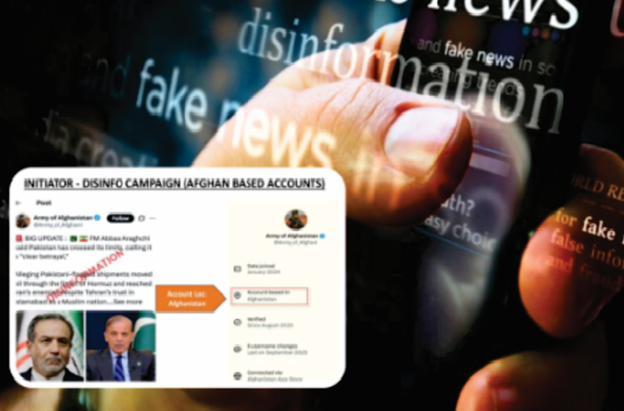
These proxy networks allow adversaries to maintain plausible deniability while still exerting strategic pressure. Security analysts often point to the complex regional dynamics involving Afghanistan and India when discussing such networks.
Proxy actors also play a role in information warfare. Local voices or anonymous accounts may spread narratives that appear authentic but are actually part of a coordinated disinformation strategy. This method increases the credibility of propaganda while hiding its true origins.
Hybrid warfare is closely linked with what many analysts call fifth generation warfare (5GW). In this form of conflict, the primary battlefield is the human mind. Perception, psychology and narrative control become decisive tools.
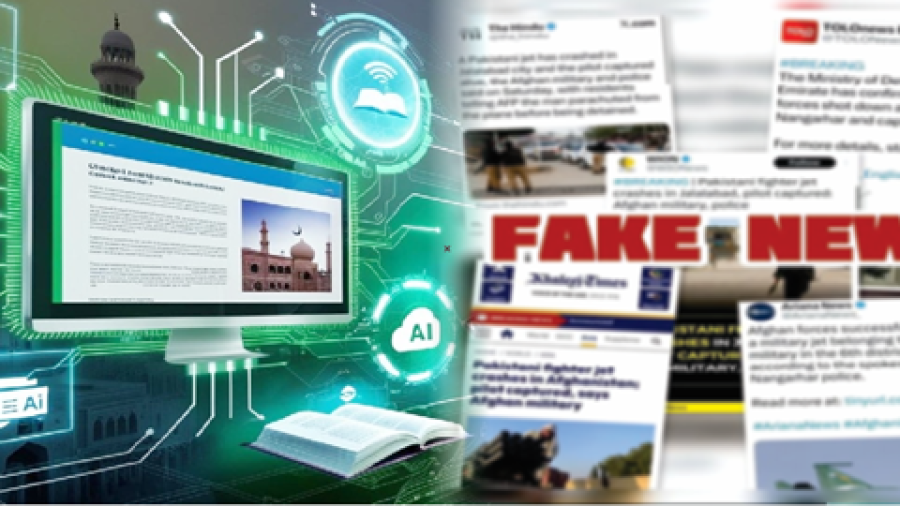
A clear example of this phenomenon is the spread of fabricated or exaggerated claims about military events. During periods of regional tension, hostile media outlets and coordinated social media networks often circulate false reports designed to create panic or undermine confidence in Pakistan’s defense capabilities.
One widely discussed example involved propaganda claiming that Noor Khan Air Base had been destroyed during a Pakistan-Afghanistan conflict andthat Afghan forces had shot down Pakistani fighter jets. These claims circulated widely on social media and in certain hostile media circles. However, the narrative collapsed under basic scrutiny.
In reality, Afghanistan does not possess the advanced military technology or operational capability required to carry out such an attack. The country lacks a sophisticated air defense system capable of targeting modern Pakistani fighter aircraft.
Without radar-guided air defense infrastructure or advanced missile systems, destroying a major air base or intercepting fighter jet would be practically impossible.
The misinformation becomes even clearer when compared with regional realities. During the recent Pakistan-India military tensions, India—despite having modern and sophisticated air defense systems—was unable to destroy Pakistani fighter jets.
If a technologically advanced military could not achieve such results, the claim that Afghanistan could do so without a comparable defense system demonstrates how unrealistic and manipulative such propaganda narratives are.
This example illustrates the essence of fifth generation warfare. The objective is not necessarily to convince military experts but to influence public perception. Once misinformation spreads widely enough, it creates doubt, confusion and unnecessary fear among the public.
Another serious aspect of hybrid warfare is digital radicalization. Online platforms allow extremist groups and hostile networks to distribute ideological material, recruit individuals and create echo chambers that reinforce radical beliefs. Young people are particularly vulnerable in this environment. Exposure to repeated propaganda, conspiracy theories and emotionally charged narratives can gradually influence attitudes. Over time, individuals may become more susceptible to extremist ideologies or hostile narratives that portray the state and its institutions negatively.
The power of disinformation lies in its psychological effect. Continuous exposure to negative narratives can gradually weaken public confidence in national institutions. If citizens begin to doubt their government, security forces or media organizations, the overall stability of the state can be affected.
Disinformation campaigns become especially dangerous during crises. In times of political tension, security incidents and natural disasters, false information spreads rapidly and complicates decision-making. Rumors can trigger panic, deepen divisions and disrupt effective governance.
For Pakistan, which already faces complex regional and security challenges, the psychological dimension of hybrid warfare requires serious attention. Winning the information battle is increasingly as important as maintaining traditional defense capabilities.
To counter hybrid warfare, Pakistan must develop a comprehensive national response centered on strategic communication and public awareness. A strong national counter-narrative is essential to challenge false propaganda and promote factual information.
Government institutions, media organizations, academic experts and civil society must work together to create credible communication channels. Transparent and timely information from official sources can reduce the space for rumors and misinformation. Media literacy is another critical component of national resilience. Pakistan also needs stronger technological capabilities to detect and counter coordinated disinformation campaigns.
Cooperation with global technology platforms is equally important. Social media companies must play a responsible role in identifying and removing coordinated misinformation networks targeting national stability.
At the same time, any regulatory measures should maintain a balance between national security and freedom of expression. Effective counter-hybrid strategies require transparency, accountability and respect for democratic values.
Ultimately, the most effective defense against hybrid warfare is an informed and united society. When citizens understand how misinformation works and remain confident in their institutions, the impact of hostile narratives is significantly reduced. In the evolving battlespace of the digital age, safeguarding truth and national cohesion has become as critical as defending physical borders.
PAKISTAN STANDS FIRM AS AFGHANISTAN STRUGGLES
BY: MAAZ KHAN
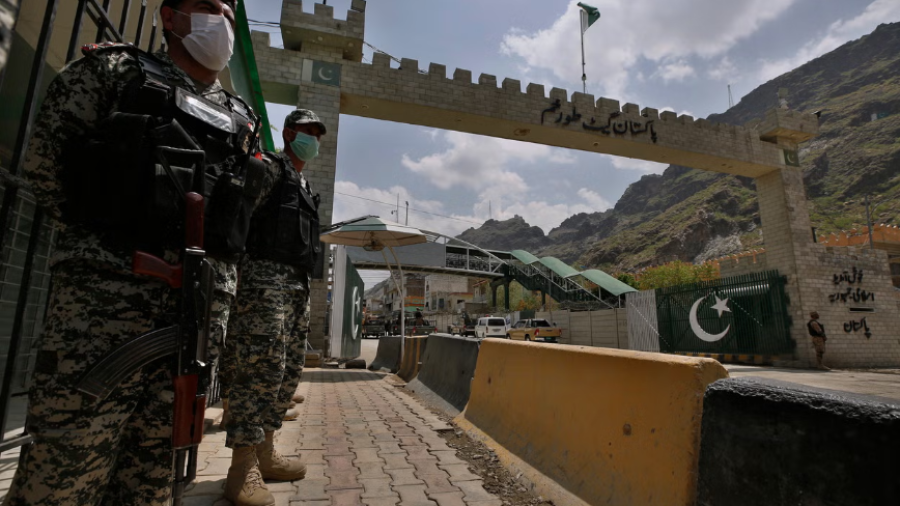
Shortly after dawn in Kabul, the streets around the wholesale markets begin to stir. Shopkeepers lift metal shutters, traders gather for tea and truck drivers scroll endlessly through their phones, waiting for updates that never seem to arrive. The goods they are waiting for, medicine, fuel, cement, and fruits, are not far away. Most are stuck across the border, held up by a decision taken hundreds of kilometres south. Implemented on October 12, 2025, the restrictions were imposed on security grounds. But for Afghanistan, the fallout has evolved into something far larger than a temporary disruption. What is unfolding is a slow-moving economic shock—largely unnoticed outside the region, yet deeply destabilizing inside the country.
This is not a crisis marked by explosions or dramatic collapse. It is quieter, incremental, and relentless. Containers pile up. Markets thin out. Prices creep upward. Livelihoods disappear. And for a landlocked country already struggling under sanctions, poverty, and political isolation, the margin for survival grows thinner by the day.
A Lifeline Severed
Afghanistan’s geography has always defined its economy. As a landlocked country, it depends heavily on neighbouring states for access to global markets. Among all available routes, Pakistan has long been the most practical: the shortest distance, the lowest cost and the most developed infrastructure.
For decades, Afghan trade flowed through Karachi port and across the land crossings at Torkham and Chaman. Through these corridors, Afghanistan exported its signature goods —dry fruits, saffron, carpets, coal— and imported essentials ranging from food and fuel, to medicines and industrial inputs. The system was imperfect, often politicised, and periodically disrupted, but it functioned. That system is now largely frozen.
Exports in Freefall
The impact is most visible in Afghanistan’s already fragile export sector. For years, Afghan traders worked to establish markets for products that carried both economic and cultural value: handwoven carpets, saffron cultivated in Herat, dry fruits from Kandahar and Badakhshan and coal from northern provinces. These exports generated much-needed foreign exchange in an economy starved of liquidity. Now, many of those goods are either not moving at all or are being rerouted through far longer and more expensive alternatives. “International buyers do not wait,” says a carpet exporter in Herat. “If Afghan shipments are delayed or prices rise, they switch to Iran, Turkey or Central Asia. Once you lose a buyer, you rarely get them back.”
The closures have compounded an existing decline. According to World Bank data, Afghanistan’s coal exports fell by 64 per cent in 2024, while overall exports declined by 12 per cent. Traders say the current blockade-like conditions risk wiping out what remains of Afghanistan’s export credibility.
For a country with limited production capacity and almost no access to international banking, the loss of export earnings carries consequences far beyond individual businesses.
When Shortages Reach Homes
If export losses threaten Afghanistan’s future, import disruptions are harming its present. Afghanistan depends heavily on Pakistan for critical imports, particularly medicines and medical supplies, wheat and other staple foods, fuel and cooking gas, and industrial raw materials. The impasse, observers say, leaves Kabul facing a clear choice: redesign policies to restore regional confidence, or slide further into economic obscurity driven by unresolved security concerns.
With transit routes restricted, shortages have begun to surface across Afghan cities. Pharmacies report dwindling stocks of essential medicines. Fuel prices have surged, raising transport costs and pushing up food prices. In lower-income neighborhoods, families are already cutting meals or turning to cheaper, less nutritious alternatives.
“This is becoming a humanitarian issue,” said a Kabul-based aid worker. “When medicines don’t arrive and food prices rise, it is the poorest who absorb the shock.”
The Illusion of Alternatives
In response to the closures, Afghan authorities and traders have accelerated efforts to shift trade through Iran and Central Asia. On paper, diversification appears sensible. In practice, it has exposed Afghanistan’s structural vulnerability.
Iran itself is under heavy sanctions, economic strain, lacks the capacity to absorb Afghanistan’s sudden transit needs and is now under attack by the United States and Israel. Congestion at ports, currency instabilityand regulatory hurdles have made the route unreliable and costly.
Central Asian corridors present a different set of problems: underdeveloped rail and road infrastructure, fragmented customs systems and higher transit fees. For many Afghan traders, these routes add weeks and thousands of dollars in additional costs.
“These are not alternatives,” said a regional trade expert based in Islamabad. “They are emergency detours—slower, costlier, and unsustainable at scale.”
Despite diplomatic messaging about regional connectivity, geography remains unforgiving. The symptoms are increasingly visible:
Rising inflation across urban markets
Sustained pressure on the Afghan currency
Declining state revenues
Closure of small and medium enterprises
Growing unemployment and under-employment
For a country with limited fiscal tools and no access to international financial systems, absorbing such shocks is exceptionally difficult.
“This economy was already operating on survival mode,” says an Afghan economist. “The closures push it closer to systemic failure.”
A Crisis with Regional Consequences
While Afghanistan’s economic distress is deepening, its repercussions are increasingly contained within Afghan territory, reflecting Pakistan’s significantly tightened border management over the past several years.
Security analysts note that Pakistan’s completion of extensive border fencing, enhanced surveillance and stricter customs enforcement has sharply reduced illicit cross-border movement. Smuggling networks that once thrived along the frontier have been largely dismantled, and undocumented crossings have dropped to a fraction of previous levels.
“Unlike the past, Pakistan now has the infrastructure and enforcement capacity to insulate itself from economic spillovers originating across the border,” observes Ghulam Dastageer, a Peshawar-based journalist who has extensively worked on border fencing. “The fencing has fundamentally altered cross-border dynamics.” From Islamabad’s perspective, the closure of trade routes is therefore framed not as a destabilizing act, but as a security-driven measure taken within a controlled border environment. With illicit trade curtailed and border permeability reduced, Pakistan faces minimal internal economic or security fallout from Afghanistan’s current downturn. Historically, Pakistan–Afghanistan trade disruptions did carry regional consequences. What distinguishes the present episode is that Pakistan has already absorbed those risks through long-term border management investments, even as Afghanistan, now facing unprecedented economic fragility, bears the overwhelming cost of the disruption.
Map showing Pakistan-Afghanistan transit trade terminals
Geography, Again
At its core, the crisis underscores a simple reality: geography is not negotiable. Afghanistan’s economic survival remains deeply tied to access through Pakistan. No amount of political rhetoric can erase that dependency in the short or medium term.
Traders on both sides of the border warn that repeated closures erode trust, discourage investment and push commerce into informal channels.
“Once trade becomes unpredictable, businesses stop planning,” says a Pakistani freight forwarder involved in Afghan transit trade. “They either shut down or move underground.”
Waiting for Relief
In Kabul, shopkeepers shorten business hours to save fuel. In provincial towns, farmers struggle to sell produce. Across the country, families stretch shrinking incomes to cover rising prices.
For many Afghans, the crisis is no longer abstract or geopolitical. It is immediate and personal.
If the current restrictions persist, economists warn Afghanistan risks sliding into a prolonged economic contraction—one whose effects could last generations.
As thousands of containers remain idle and markets continue to thin, a stark question hangs over the region: How long can a landlocked country endure with its lifelines cut?
Security Deadlock: The Fitna Al Khawarij Factor
Pakistan argues that the current economic disruption cannot be separated from Afghanistan’s failure to act against Fitna Al Khawarij (FAK) militants operating from Afghan territory. Pakistan has shared a credible dossier with the Afghan authorities establishing that these groups continue to use Afghan soil to plan and launch attacks inside Pakistan, despite repeated diplomatic engagements and assurances from Kabul.
From Islamabad’s standpoint, the suspension of trade routes reflects a security imperative rather than economic pressure. “No country can sustain open trade when armed groups are allowed to threaten its citizens from across the border,” says a Pakistani security official, speaking on condition of anonymity.
Analysts note that Afghanistan’s continued denial or inaction has narrowed its economic and diplomatic space. Pakistan maintains that regional trade and stability are inseparable from credible counter-terrorism commitments. Without recalibrating its internal security posture and external policies, particularly towards Pakistan, Afghanistan risks prolonged isolation and deeper economic decline.
The impasse, observers say, leaves Kabul facing a clear choice: redesign policies to restore regional confidence or slide further into economic obscurity driven by unresolved security concerns.
DR. SAHIBZADA MUHAMMAD USMAN
The Pak-Afghan frontier, stretches approximately, is roughly 2,600 kilometres long. What used to be a problem of smugglers, informal crossings, and militant movement is now being pulled into a harder security era. In late February 2026, Pakistan and the Taliban led authorities in Kabul slid into their most serious fighting in years, with air strikes, drones and heavy exchanges along the border. That escalation matters because it shows a shift: border management is no longer only about gates and posts, it is also about deterrence and stopping armed groups that exploit weak coordination.
Pakistan’s core argument is that instability on the Afghan side spills into Pakistan through militant networks, not through ordinary families. Islamabad has repeatedly accused the Taliban authorities of tolerating or enabling armed groups that attack Pakistan, especially Tehreek-e-Taliban Pakistan. Pakistan also blames Afghan soil for harbouring Baloch separatists. It points to cross border planning and logistics as the driver of violence. A United Nations sanctions monitoring assessment, reported by VOA, described the Tehreek-e-Taliban Pakistan as the largest terrorist group inAfghanistan and said the group receives growing support from Taliban rulers for cross border attacks in Pakistan. Whether you accept every detail or not, the strategic issue is clear: if armed actors can regroup with limited pressure on one side of the line, the other side will keep absorbing the shock.
This is where Pakistan’s border management choices matter. Pakistan has treated the western border as a national security project, investing in physical barriers and force posture. Military briefings put the fencing at about 94 percent complete by early 2022, alongside hundreds of new forts and check posts. Other reporting later cited claims of around 98 percent fencing completion. The exact figure will be debated, but the trend is not: Pakistan tried to narrow illegal movement into fewer routes where monitoring and interdiction are easier.
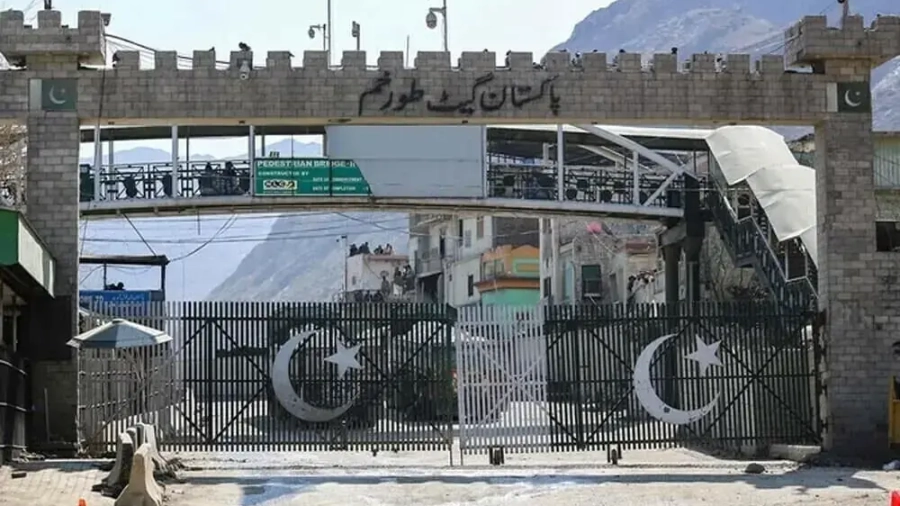
Afghanistan’s de facto authorities have often treated these measures as illegitimate, and that has practical consequences. Border disputes have triggered closures and clashes, sometimes over the building of posts and enforcement of the line. In early 2025, the Torkham crossing shut for nearly a month after fightinglinked to a dispute over a border outpost, then reopened in March. Reuters also reported closures in October 2025 after exchanges of fire, with Pakistan alleging militant threats and Kabul rejecting the accusation. When border management becomes a political contest instead of a shared routine, every local incident risks turning into a national crisis.
The security paradigm is shifting because the tools of conflict are changing. The February 2026 escalation included claims of cross border drone strikes, with Afghanistan saying it used drones to hit targets in Pakistan, and Pakistan saying its counter drone measures prevented damage. Drones compress decision time and make escalation harder to control. In the same period, Reuters reported that Pakistan launched air strikes on militant targets in Afghanistan with Pakistani sources claiming at least 70 militants were killed while the United Nations said at least 13 civilians died.
Inside Pakistan, the numbers show why Islamabad sees the western border as an urgent national security file. In 2024, PIPS reported 521 terrorist attacks and 852 deaths, with most attacks concentrated in Khyber Pakhtunkhwa and Balochistan. The same PIPS reporting was summarised as showing heavy tolls from both Tehreek-e-Taliban Pakistan and the Balochistan Liberation Army. PICSS, using its own methodology, recorded 908 militant attacks in 2024, which shows how counting rules change totals but not the direction of the trend. At the global level, the Global Terrorism Index 2025 noted that deaths attributed to the four major groups, including Tehreek-e-Taliban Pakistan, rose 11 percent in 2024. In that environment, patience for excuses runs out quickly.
Pakistan’s gains are not only about fencing. Operational pressure has been sustained, and the results show in metrics even when overall violence remains high. PICSS reported 296 security force operations in 2024 and said these actions were more lethal, with 950 militant deaths reported in its annual totals, while suicide attacks fell to 17 incidents. CRSS reporting on late 2025 also noted declines in attacks in Novermber and December, including an almost 17 percent drop in December. Sustained pressure shrinks militant space, but it works best when the border is not a revolving door. Any serious view of the Pak Afghan border also must include people, especially Afghans living in Pakistan. UNHCR says that at the beginning of 2025 Pakistan hosted about 1.6 million Afghan refugees and asylum seekers, alongside more than 1.5 million Afghans with other legal statuses. UNHCR also reported that 8,954 Afghans were deported in 2024 despite advocacy against forced returns, showing how fast security policies can spill into humanitarian pain. Trade and transit are part of this human picture too: Reuters cited Pakistan’s foreign office saying bilateral trade exceeded 1.6 billion dollars in 2024, and a World Bank cited report noted Pakistan was the destination for 45 percent of Afghanistan’s exports in 2024. The Afghan diaspora can help calm tensions by stressing shared livelihoods and by pushing back on rumours that inflame communities.
My view is that Pakistan has done serious work to turn a porous frontier into a more governed space. But a fence is not a peace plan. Without parallel action on the Afghan side, barriers push pressure to the next gap, and armed groups adapt. Kabul needs to move from denial to enforcement: credible action against cross border militant infrastructure, routine border coordination, and stable rules for trade and movement. Both sides can still choose restraint today. Pakistan should pair security with legal trade and dignified mobility because long term stability needs more than force.
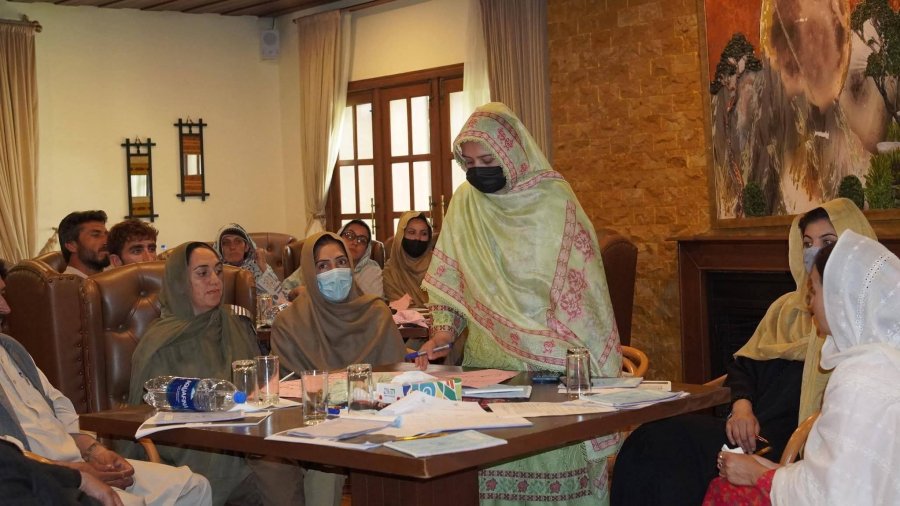
Booni: A two-day awareness and training program on “Environmental Management and Disaster Risk Reduction” was organised in Booni by Aga Khan Agency for Habitat Pakistan, focusing on environmental protection, disaster risk reduction, and public awareness regarding climate-related challenges.
People from different walks of life, including youth, participated in the program. Participants were educated about environmentally friendly lifestyles, conservation of natural resources, and the possible impacts of climate change.
Rashida Zia, Chairperson of the District Committee on the Status of Women Upper Chitral, termed the initiative timely and highly beneficial, appreciating the efforts of the organizers and participants. She said raising public awareness about environmental protection and disaster preparedness was the need of the hour and that such programs play a vital role in promoting a safe, clean, and sustainable environment.
Training workshops for range management and kitchen gardening
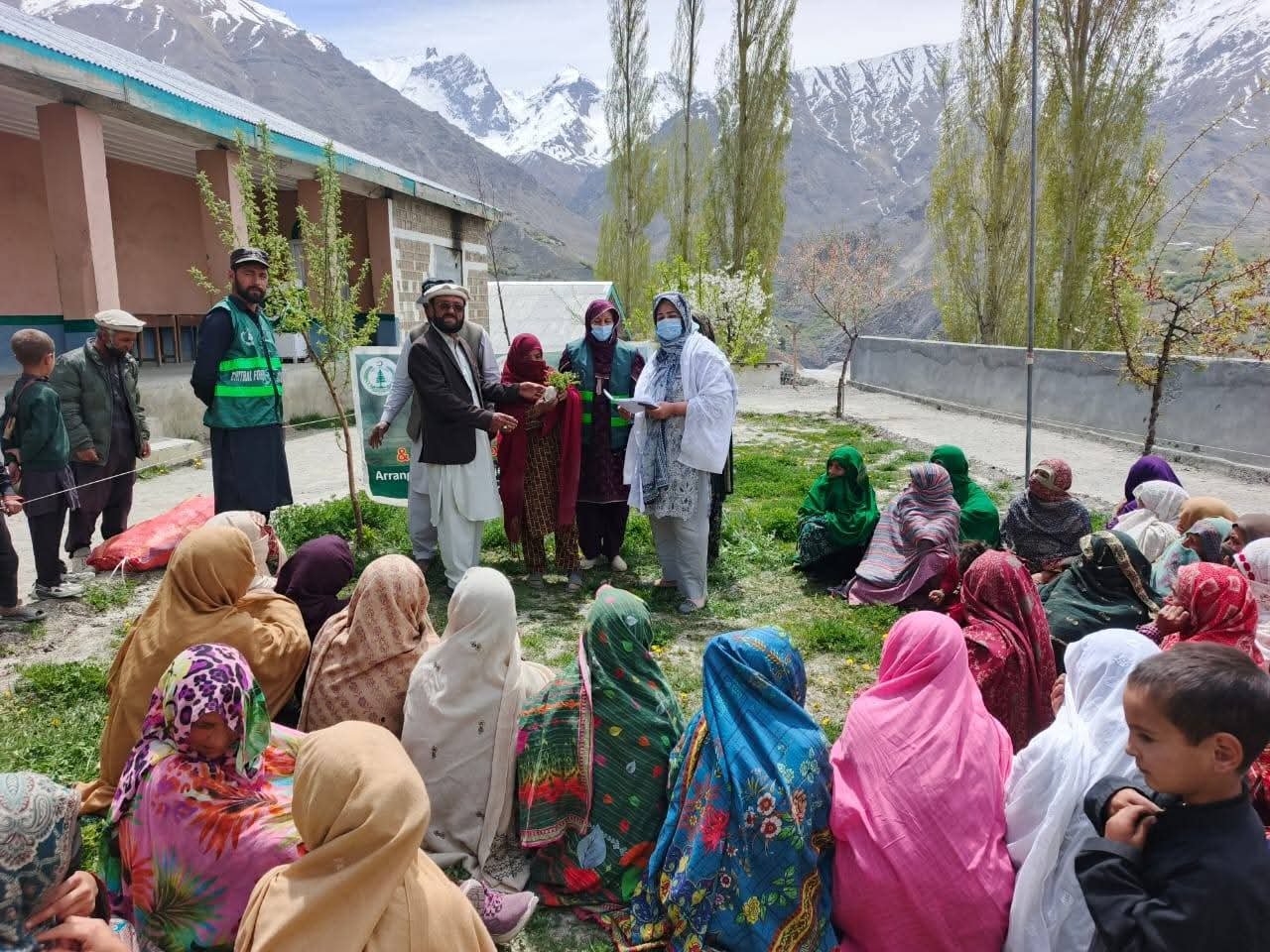
Training Workshop
Meanwhile, Chitral Forest Division, in collaboration with PMU-UGPP, organized training workshops in Khot Valley and Melp Valley to promote awareness regarding range management and distribute quality kitchen gardening seeds.
The workshops were attended by Nasreen Bibi, Block Officer Muhammad Amin, focal person Shahida Parveen, forest staff, women’s organizations, local representatives, and women from various communities. Chairman Minhajuddin attended the Khot Valley workshop, while former councillor Saleha Bibi participated in the Melp Valley session.
Organizers said seasonal vegetable seeds and saplings were distributed among local communities, especially women-headed households and vulnerable families. According to them, the seeds were selected keeping in view climate adaptability, better yield, and nutritional needs, while such initiatives were described as important for food security and addressing climate challenges.
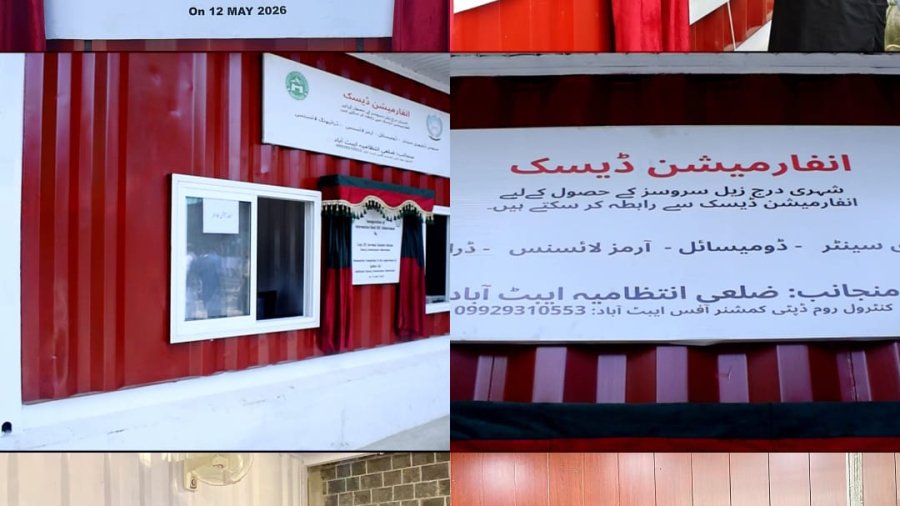
Abbottabad: An information desk has been established at the New Tehsil Building in Abbottabad to improve public access to government services and facilitate citizens.
The desk was formally inaugurated by Deputy Commissioner Sarmad Saleem Akram, along with Additional Deputy Commissioner General Gohar Ali. Tehsildar, Naib Tehsildar, Deputy Director Service Delivery Centre, and revenue staff were also present on the occasion.
According to the district administration, the initiative is part of the provincial government’s agenda to improve service delivery and ensure easier access to public facilities.
Officials stated that the information desk will guide services offered at the Service Delivery Centre, including domicile certificates, arms licenses, and driving licenses.
Deputy Commissioner Sarmad Saleem Akram said the district administration is actively working to enhance public service delivery, adding that the new information desk would help make government services more efficient, transparent, and citizen-friendly.
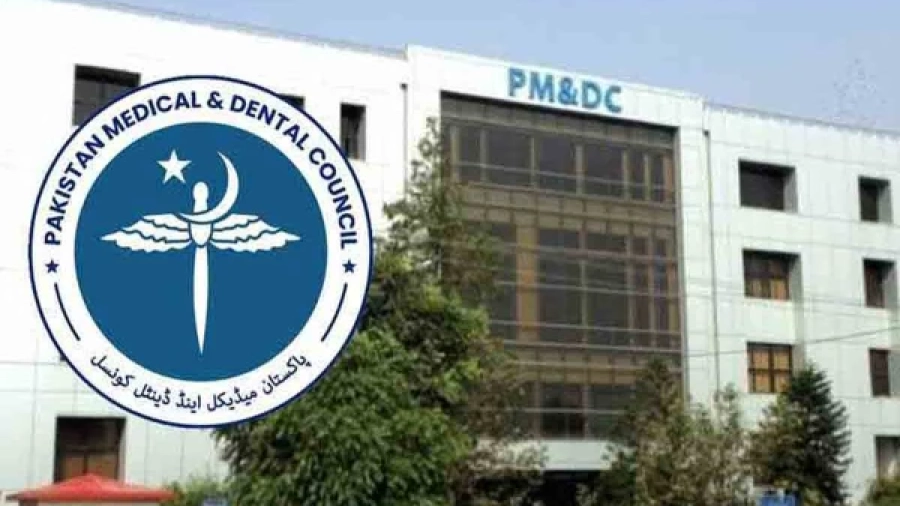
Islamabad: Pakistan Medical and Dental Council (PM&DC) has introduced major reforms for students seeking medical and dental education abroad, making prior registration with the council mandatory.
Under the new regulations, students will not be allowed to pursue medical education overseas without passing the MDCAT examination. The decisions were made as part of ongoing reforms in the medical education sector under the supervision of Deputy Prime Minister Ishaq Dar.
According to the council, any foreign medical institution must be included in PM&DC’s approved list, while overseas universities must also be accredited by the World Federation for Medical Education (WFME).
The new policy further states that foreign medical graduates must pass the National Registration Examination before practising in Pakistan. In addition, medical programmes must include at least 6,200 teaching hours with a mandatory 80 percent attendance requirement.
PM&DC also emphasised transparent, merit-based inspections of medical and dental colleges, announcing a zero-tolerance policy against negligence or irregularities during the inspection process.
Students heading to non-English-speaking countries have been advised to first learn the local language, while all students must provide accommodation and contact details before departing abroad.
The council reiterated its commitment to aligning Pakistan’s medical education system with international standards.