Electricity Crisis in Khyber Pakhtunkhwa

POWERING PAKISTAN, LIVING IN DARKNESS: THE ELECTRICITY CRISIS IN KHYBER PAKHTUNKHWA

Salman Ahmad

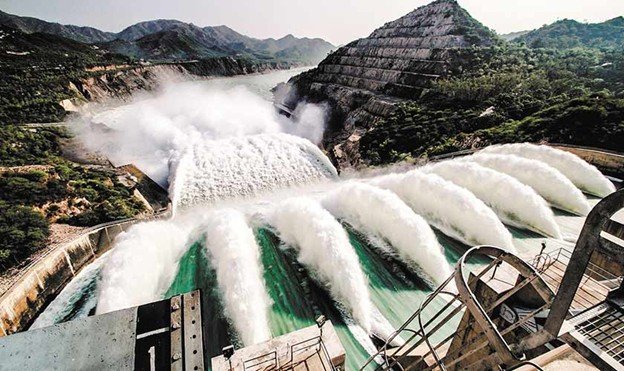
Khyber Pakhtunkhwa (KP) is often described as Pakistan’s hydel energy heartland. Home to the country’s largest hydropower resources, including the iconic Tarbela Dam, the province has 14,353 MW installed capacity of hydropower generation in both the public and private sectors. According to 2025 statistics, KP generates approximately 4,500 megawatts (MW) of electricity for the national grid; however, its local demands are under 3000 MW, exporting the surplus to the rest of the country. Yet, despite this surplus production, millions of residents continue to endure prolonged power outages, unreliable supply and rising electricity costs.

This contradiction lies at the heart of KP’s electricity crisis; a province rich in power generation but unable to ensure reliable electricity for its own people.

The Real Crisis

The electricity crisis in KP is frequently portrayed as a shortage of power. In reality, the problem is far more complex. It is driven by a combination of electricity theft, outdated infrastructure, financial losses, governance challenges and Pakistan’s broader energy-sector weaknesses.

According to recent reports, the majority of KP’s public experiences between 12 and 20 hours of daily load shedding, particularly during peak summer demand. The gap between electricity demand and supply remains significant. Peshawar Electric Supply Company (PESCO), the province’s primary distribution company, has reported a widening demand-supply gap, forcing additional hours of unscheduled power outages in many districts.

However, generation is not the issue. Pakistan has sufficient installed electricity generation capacity to meet average demand. The challenge lies in transmitting, distributing and financially sustaining the electricity system.

The Cost of Theft and System Losses
5. Powering Pakistan, Living in Darkness The Electricity Crisis in Khyber Pakhtunkhwa

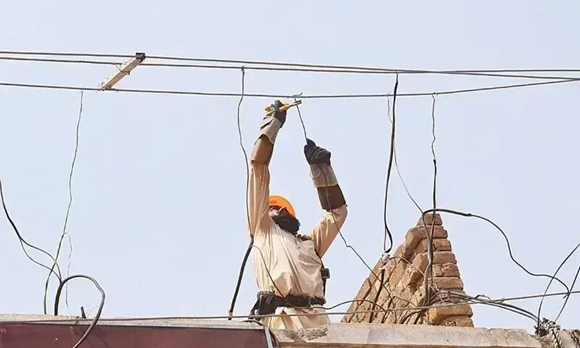
One of the most serious contributors to the crisis is electricity theft, commonly known as “kunda culture.” Illegal connections, non-payment of bills and weak enforcement mechanisms have severely undermined the financial viability of the power sector.

According to PESCO’s 2025 performance report, Khyber Pakhtunkhwa suffered losses of app-roximately Rs 193.4 billion during the first eleven months of fiscal year 2024-25 due to electricity theft and technical inefficiencies. The province recorded overall losses of 36.69 percent, equivalent to nearly Rs 583 million per day. Districts such as Bannu reported losses exceeding 73 percent, while Peshawar recorded the highest financial losses in absolute terms, exceeding Rs 51 billion.

These losses create a vicious cycle. When large volumes of electricity are consumed without payment, distribution companies lose revenue required for maintenance, upgrades and expansion. In response, utilities often impose longer outages on high-loss feeders, which further frustrates paying consumers and weakens public trust.

Ageing Infrastructure and Technical Failures
5. Powering Pakistan, Living in Darkness The Electricity Crisis in Khyber Pakhtunkhwa

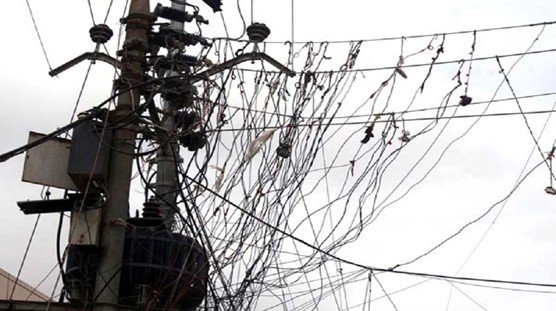
Much of KP’s transmission and distribution network is aging and inefficient. Old transformers, overloaded feeders and deteriorating transmission lines result in substantial technical losses before electricity reaches consumers. Voltage fluctuations damage household appliances, while overloaded infrastructure contributes to frequent breakdowns and prolonged outages. The province’s challenging geography further complicates matters. Extending and maintaining power infrastructure across mountainous and remote regions requires substantial investment and technical capacity. As a result, many rural communities remain particularly vulnerable to unreliable supply.

The Burden of Circular Debt

KP’s electricity challenges are closely linked to Pakistan’s broader energy-sector crisis. For years, Pakistan’s power sector has struggled with circular debt—a chain of unpaid obligations involving consumers, distribution companies, fuel suppliers, power producers and government institutions. This financial burden has constrained investment, increased electricity tariffs, and reduced the sector’s  ability to modernize infrastructure.

The result is a system where even available electricity cannot always be delivered efficiently due  to financial and operational bottlenecks.

A Province Rich in Hydropower, Yet Energy Poor
5. Powering Pakistan, Living in Darkness The Electricity Crisis in Khyber Pakhtunkhwa

Perhaps the most politically sensitive aspect of the crisis concerns KP’s vast hydropower resources. The province possesses an estimated hydropower potential ranging from 14,000 MW to over 30,000 MW, representing a substantial share of Pakistan’s total hydro-electric potential. Yet only a fraction of this capacity has been developed. Much of the existing generation is managed by federal institutions, while electricity flows into the national grid rather than directly serving local communities.

This has fueled a longstanding debate between the provincial and federal governments regarding net hydel profits, revenue sharing and control over energy resources. Many residents argue that KP bears the environmental and social costs of major hydropower projects while receiving insufficient benefits in return.

Public Frustration and Economic Consequences

The consequences of unreliable electricity extend far beyond household inconvenience. Businesses face higher operating costs as they increasingly rely on generators and backup systems. Small industries struggle to remain competitive amid rising energy expenses and production disruptions. Farmers face challenges operating tube wells and irrigation systems, while schools and healthcare facilities must contend with frequent interruptions.

Prolonged outages have also triggered protests across various districts, reflecting growing public frustration. In a province already grappling with economic and security challenges, energy shortages have become a significant source of social and political discontent.

The Promise of Renewable Energy
5. Powering Pakistan, Living in Darkness The Electricity Crisis in Khyber Pakhtunkhwa

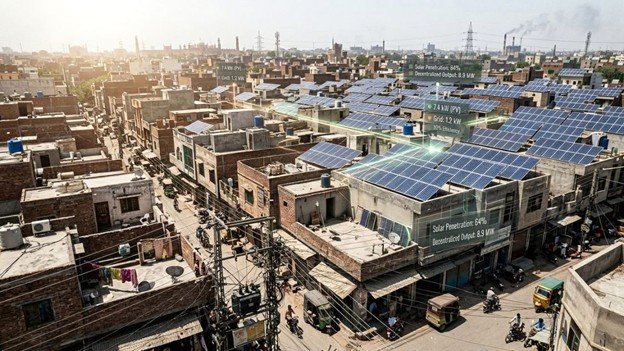
Amid the crisis, there are signs of hope. Pakistan is experiencing a remarkable solar energy boom, driven by rising electricity prices and declining solar panel costs. Households, businesses and communities are increasingly investing in rooftop solar systems to reduce dependence on the national grid. Analysts estimate that distributed solar generation now represents a significant and rapidly growing component of Pakistan’s energy mix.

KP is particularly well-positioned to benefit from this transition. In addition to its enormous hydropower potential, the province enjoys favorable solar conditions and opportunities for community-based renewable energy projects. Through the Pakhtunkhwa Energy Development Organization (PEDO), several small and medium hydropower projects have already been completed, with additional initiatives under development.

From Crisis to Opportunity

The electricity crisis in KP is not fundamentally a generation problem. It is a crisis of governance, infrastructure, enforcement and financial management.

Addressing it will require reducing electricity theft, modernizing transmission networks, improving bill recovery, resolving federal-provincial disputes over hydropower revenues and accelerating investment in renewable energy. Equally important is strengthening institutional accountability and ensuring that paying consumers are not punished for systemic failures.

Khyber Pakhtunkhwa possesses the resources to become a model of sustainable and reliable energy production. Whether it can transform that potential into reality will depend on the willingness of policymakers to confront the structural weaknesses that continue to leave an energy-rich province in the dark.
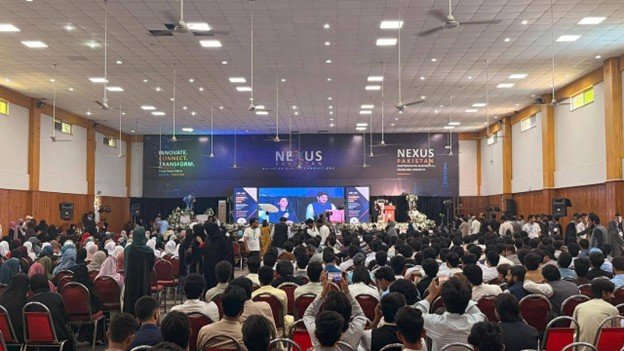
Hassan Sajid Article

KP YOUTH POLICY 2026: A TRANSFORMATIVE VISION FOR INCLUSIVE DEVELOPMENT

Ghulam Hassan Sajid

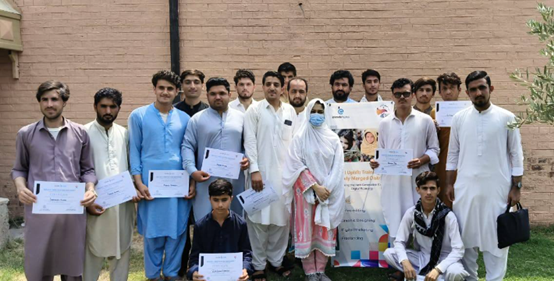
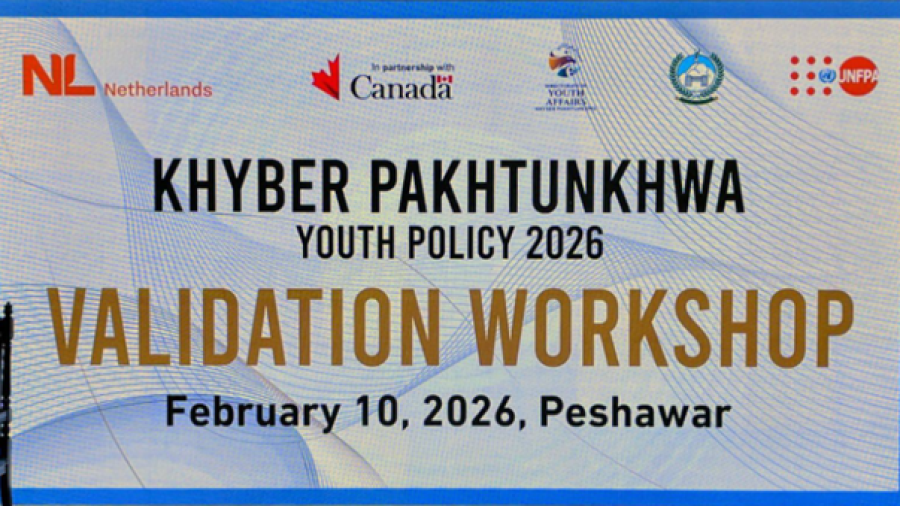
The Khyber Pakhtunkhwa (KP) Youth Policy 2026 represents a futuristic and comprehensive framework envisaged to empower the province’s largest and most dynamic demographic asset—its youth. With a significant proportion of the population under the age of 30, KP stands at a pivotal juncture where strategic investment in youth development can yield long-term social, economic and political results. This policy is not merely a statement of intent but a pragmatic roadmap for sustainable progress, focusing on critical domains such as access to modern technologies, civic engagement, post-conflict recovery, environmental stewardship and cultural enrichment.

Access to Digital and Modern Technologies

Access to digital and modern technologies is no longer a luxury but has become a necessity. The KP Youth Policy 2026 rightly identifies this domain as a cornerstone for youth empowerment. Bridging the digital divide is essential to ensure that young people across urban and rural areas can participate equally and meaningfully in the global knowledge economy.

The policy emphasizes expanding digital infrastructure across the province, promoting IT literacy, and developing innovation ecosystems. Initiatives such as youth innovation hubs, coding boot camps and partnerships with private tech firms are envisioned to engage young individuals in market-relevant skills and equip them for the tech-driven market. Furthermore, enhancing internet accessibility in remote and merged areas is critical to reducing inequalities and enabling equitable opportunities.

By investing in digital inclusion, the government can unlock entrepreneurial potential among youth, encourage freelancing and remote work, and position KP as a competitive player in the digital economy. Such measures not only enhance employability but also cultivate a culture of creativity and problem-solving.

Civic and Political Engagement

A vibrant democracy thrives on active citizen participation, and youth engagement is fundamental to this process. The KP Youth Policy 2026 underscores the importance of involving young people in civic and political life, recognizing them as key stakeholders in governance and decision-making.

The policy advocates for the revival of student unions and the establishment of youth councils to provide structured platforms for expression and leadership development. These initiatives aim to foster a sense of responsibility, critical thinking and democratic values among young citizens. As highlighted in the policy framework, formal mechanisms such as the Provincial Youth Council will facilitate dialogue between policymakers and youth representatives, ensuring that youth perspectives are integrated into governance processes.

Moreover, embedding youth participation within local governance structures, such as village and neighborhood councils, ensures grassroots-level engagement. This approach not only strengthens democratic institutions but also empowers youth to address community-specific challenges effectively.

Post-Conflict Merged Areas

Khyber Pakhtunkhwa has faced unique security challenges, particularly in its merged districts (formerly FATA). The Youth Policy 2026 adopts a sensitive and inclusive approach to address the needs of youth in these post-conflict regions.

The policy prioritizes rehabilitation, psychosocial support and economic reintegration for young people affected by conflict. By focusing on education, vocational training and employment opportunities, it seeks to prevent marginalization and reduce the risk of radicalization. Special attention is given to infrastructure development ensuring access to schools, healthcare facilities, and community centers.

Importantly, the policy recognizes that sustainable peace is closely linked to youth inclusion. By engaging young people in peace-building initiatives and community development programs, the government can foster resilience and social cohesion. Empowered youth can act as agents of change, contributing to stability and long-term development in the region.

Climate Change and Environment

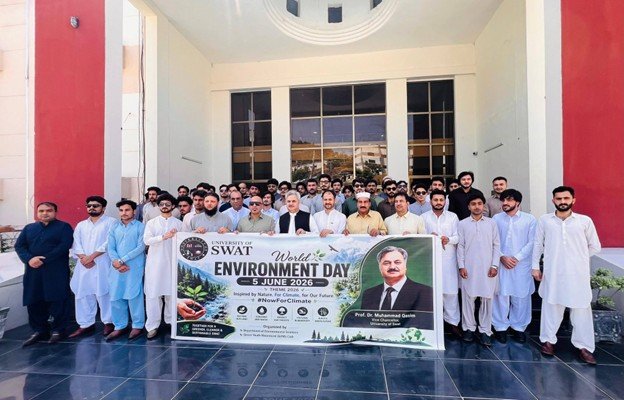
Climate change poses a significant threat to the socio-economic fabric of Khyber Pakhtunkhwa, making environmental sustainability a critical priority. The Youth Policy 2026 acknowledges the vital role of young people in addressing environmental challenges and promoting sustainable practices.

The policy encourages youth participation in climate action through awareness campaigns, green initiatives and environmental education. Programs such as tree plantation drives, waste management projects and renewable energy initiatives provide practical avenues for engagement. By integrating environmental education into curricula and community activities, the policy aims to cultivate environmentally conscious citizens.

Furthermore, empowering youth to lead climate initiatives not only addresses environmental concerns but also creates new economic opportunities in green industries. From eco-tourism to sustainable agriculture, the potential for innovation and employment in this sector is immense.

Arts, Sports and Culture

The development of youth is incomplete without nurturing their creative and physical potential. The KP Youth Policy 2026 places significant emphasis on promoting arts, sports and cultural activities as essential components of holistic development.

Investments in sports infrastructure, talent identification programs and cultural festivals are central to this vision. By providing platforms for artistic expression and athletic excellence, the policy aims to channel youth energy into constructive and productive pursuits. This not only enhances physical and mental well-being but also strengthens social bonds and cultural identity.

The policy also recognises the economic potential of creative industries. By supporting young artists, musicians and performers, the government can foster a vibrant cultural economy that contributes to both employment and tourism. Legislative support for sports and creative sectors further reinforces the commitment to youth-centric cultural development.

The Khyber Pakhtunkhwa Youth Policy 2026 is a comprehensive and visionary framework that addresses the multifaceted needs of the province’s youth. By focusing on digital inclusion, civic participation, post-conflict recovery, environmental sustainability and cultural development, the policy lays the foundation for an inclusive and prosperous future.

However, the success of this policy depends on effective implementation, adequate resource allocation and continuous monitoring. Institutional strengthening, as outlined in the policy, will play a crucial role in ensuring accountability and coordination across sectors. Annual reporting and evaluation mechanisms will further enhance transparency and impact assessment.

In essence, investing in youth is investing in the future. The KP Youth Policy 2026 provides a timely and strategic opportunity to harness the potential of young people, transforming them into empowered citizens, innovative entrepreneurs and responsible leaders. With sustained commitment and collaborative efforts, this policy can catalyze lasting progress and development in KP.

Dr. Bashir Article

THE RS. 2.17 TRILLION QUESTION – WILL KP’S “KHUSHHAL” BUDGET REALLY REACH “THE AAM AADMI”?

Dr. Bashir Ahmad

Let’s be honest — when was the last time a budget speech actually made your wallet feel heavier? Or your kitchen less empty? Or your child’s school fee slip any less painful?

If you’re a government babu in Khyber Pakhtunkhwa, you probably perked up at the 7% salary bump. If you’re a daily wager, the Rs. 45,000 minimum wage announcement may have sounded like music — until you remembered that the music in KP usually stops before the wages actually start. If you’re a small kisan, the Ehsaas Kisan card grabbed your eye. And if you are just an ordinary citizen, watching the atta price climb while your salary politely stays at the gate, the only question on your mind is the oldest one in Pashto marketplaces: “Sta paiza ghware ke ghwaro ke neshta?” — whose bread truly tastes of bread, and whose only tastes of paper?

Welcome to the KP Budget 2026–27 — a Rs. 2.17 trillion heady cocktail of numbers, promises, and what our elders politely call theek-o-tar. The government calls it “Khushhal Khyber Pakhtunkhwa.” The opposition, with dry chuckles in the Assembly lounge, calls it number-jugglery. The truth, as always in Peshawar and Islamabad circles, sits somewhere painfully in between — and as the proverb says, “Da ghwa di ba da lmaray ta ba” — the taste of bread is known only by the one who actually eats it.

The Grand Priorities — Guns, Books, and Bandages, but in what Order?

Credit first where credit is due: the ruling benches have, on paper, picked the right fights. Law and order? Education? Healthcare? All on the list.

Law and order got a jaw-dropping Rs. 191 billion — a 185% jump from the base of a few years ago. Bulletproof vehicles, drones, Safe City camera walls — KP is arming itself like it’s prepping for a sci-fi war. Given the long, porous border and the daily grind in the merged districts, maybe some of this is justified. But here’s the prickly question staring back from the page: when your police budget is now almost 41% of your education budget, what exactly are you protecting — and for whom? In research terms, the partisan theory of budgets predicts exactly this skew: when the priorities of the ruling party tilt toward “security optics,” the slider quietly moves away from accountability and away from the long, boring work of institutions.

 When you teach a generation that the state is mostly a man with a uniform and a Hilux, don’t be stunned when, fifteen years later, the same generation votes for another uniformed man with a bigger Hilux.

 Education received Rs. 468 billion — headline-friendly, with 72 Chief Minister Model Schools announced and free textbooks queued up. Pretty. But KP’s literacy still hovers around 56.7% — meaning close to half the province cannot read this very column. Pakistan’s national education spend has slid down to a shameful 0.8% of GDP. That is not a number; that is a verdict. Children grow up exactly once.

Healthcare got Rs. 334 billion, including Rs. 50 billion for the Health Card — the PTI government’s political lifeline, and, for over 32 million patients treated so far, a literal lifeline. Globally and locally, the evidence is consistent: well-designed social-protection schemes do reduce the depth of multidimensional poverty, especially when they reach women and informal workers. Good… But here is the catch the press release won’t print: the Medical Teaching Institutions reportedly demanded Rs. 112 billion and got around Rs. 80 billion. The government’s official answer? “Strengthen primary healthcare, please get sick at the BHU.” That is what economists, when they want to be polite, call a substitution away from the problem you cannot afford, toward the one you can ignore.

The Elephant in the Room — Where Did Last Year’s Money Actually Go?

Let’s cut to the chase.

The Annual Development Plan for 2026–27 is Rs. 524 billion. On the surface, handsome. Until you clock that last year’s ADP was Rs. 600 billion. In simple Pashto: the government is cutting development spending while inflation is hill-climbing over every roti and litre of petrol. De naoza che sta de khpalo che ke da ghruna warze ke na watai — the new axe that cuts others cannot cut its own handle.

But it gets worse. The budget documents themselves say that completing the existing development portfolio will take Rs. 2.448 trillion, spread over a 7.7-year throw-forward. That, dear reader, is not a plan. That is a wishlist with a price tag nobody currently at the treasury bench can pay. Every fresh 1,200 new project announced this year is simply a longer queue for the next finance minister to clear — probably in 2031, in another shiny speech.

On the Assembly floor, Opposition Leader Dr. Ibadullah pointed out the obvious: more than Rs. 2.4 trillion needed to close ongoing schemes, and yet over 1,200 brand-new ones added to the pile. ANP’s Mian Iftikhar Hussain — a man whose moustache has seen more finance ministers than most of us have — called it “wordplay and statistical melodrama.” When seasoned parliamentarians lose their humour, the citizenry is usually not far behind. Then comes the debt story — the one nobody reads out loud in the press release.

KP’s total debt was Rs. 150 billion in 2013, accumulated patiently over 66 years of provincial life. Today? Rs. 951 billion. In a single recent month, the debt clock ticked up by another Rs. 5.5 billion. As of March 2026, the provincial debt stock stood at Rs. 809.74 billion. That is not borrowing anymore; that is taking out a mortgage on your daughter’s wedding and your son’s first job. The World Bank’s own review of KP’s public finances has been saying this in measured English for over a decade: the province suffers from chronic gaps in turning money into outcomes — allocations on paper leak before they reach the classroom, the clinic, or the road. When the invisible hand is busy emptying the bucket, pouring in more rupees is, in industry terms, an exercise in optimism.

PTI’s Report Card — Progress, or a Photo Album?

PTI has held the steering wheel in KP for three straight terms — thirteen years. Fair enough — let’s mark the report card honestly.

They delivered the Peshawar BRT — and tabled another Rs. 7.5 billion for it this year. They earmarked Rs. 35 billion for the merged districts. They have inaugurated shiny health facilities in places like Landi Kotal. None of this is fake; brick-and-mortar real.

But here is the uncomfortable truth that even government-friendly analysts whisper at hujra gatherings: about 80% of the ADP this year is going to ongoing projects, only 20% to genuinely new initiatives. In plainer words, most of the money is just paying the bill for things started years ago. The “development” pitch has, by necessity, become an incomplete-projects completion pitch. That is not bold new ground; that is finishing last year’s homework.

And then the merged districts — the FATA legacy. The lawmakers from these constituencies have complained, on the record, that both the federal and the provincial governments have, in their own words, “turned away” from them. The promised 3% of the divisible pool remains unsettled. The provincial government’s answer: we have spent more in merged districts than we have received from the Centre. Two ledgers, two stories. Someone’s calculator is not balancing. In Pashto, “Da sta pa se, da sta pa se” — this side says this, that side says that — and the only person who pays the bill is the one standing in the queue at the Tehsil office.

Then, refreshingly, a confession. Even former Chief Minister Ali Amin Gandapur publicly owned up that previous PTI governments erred by not allocating development funds fairly to opposition constituencies. A chef admitting he burned the biryani after you’ve already eaten it. Honest? Yes. Useful? Only for the next election.

What’s Actually in It for the Common Aadmi?

This is where the budget either meets the biryani or quietly walks out the back door.

The Ground Reality (the part nobody photographs):

At the fruit mandi, Zakir Khan, a fruit-seller of twenty winters, said it simply: “Bhala, the issue isn’t the Rs. 45,000 wage — it’s the inspector who never comes to the factory gate to enforce it.” And Zakir bhai is not wrong. The labour-force-survey evidence on Pakistan’s wage floor is brutally consistent: minimum-wage compliance is weakest among women, informal workers, the less-educated, and contract employees — in other words, exactly the people for whom the wage matters most. After the 18th Amendment, provincial enforcement capacity for labour laws has, if anything, eroded rather than strengthened — the wage ceiling nominally rises, but the real pay-slip pay-out has slipped in several provinces. And where compliance does bite, the gains are statistically modest and disproportionately captured by men, leaving the gender pay gap all but intact.

At the wheat field, Riaz Khan, a small farmer, hailed the agriculture mention but warned: “Announcements do not irrigate fields. Diesel subsidy, certified seed, tubewell electricity — these do.”

Meanwhile, the silent tax that bites every household — inflation — is back and roaring. May 2026 inflation printed at 11.7%, almost triple the 3.5% a year ago. The Sensitive Price Index — the weekly pulse of the kitchen — is running at 15.28% per week. Tomatoes have their own ministry now, atta is on strike, and transport fares never tire of going up.

Let me translate. If your salary goes up 7% but inflation runs at 11.7%, you are demonstrably poorer at year-end, not richer. The government is, with great ceremony, putting Rs. 5 in the right pocket and quietly slipping the hand into the left pocket. Na sir diya tala, na hath diya kunji — neither the lock nor the key is in your hand.

The Bigger Picture — Federal Math That Doesn’t Add Up

KP is budgeting inside a federal straightjacket of its own. The province expects to receive about Rs. 1.584 trillion from the federal government — Rs. 1.24 trillion in tax assignments and Rs. 139 billion under the war-on-terror/security allocation. Gentle irony: provinces are simultaneously projected to transfer roughly Rs. 1.04 trillion back to the federal government under Article 164. Yes — the provinces borrow from the Centre to pay salaries and lend to the Centre to retire federal debt. The old fiscal cycle keeps spinning — one hand asks, the other gives, both hands belong to the same suit.

The federal Public Sector Development Programme sits at Rs. 1.126 trillion, with the usual knife visiting it every quarter. Pakistan’s GDP grew 3.7% in FY2025–26 — below the 4.2% target. Economic size: Rs. 126.9 trillion. Per-capita income: $1,901. Statistically respectable. Socially, almost meaningless — roughly 40% of Pakistanis remain multidimensionally poor. A tide that lifts yachts but not fishing boats is not a tide worth celebrating in a fisherman’s village.

The Verdict — Hope, Hype, or Just Habit?          

Let me be blunt, the way a friend at a dhaaba should be. The KP Budget 2026–27 is ambitious. It talks about education, health, security, welfare — and yes, there are genuinely good ideas sitting inside it (the Health Card scale-up, the Kisan card, the e-bike scheme for the cold-polluted cities). But let’s not confuse ambition with delivery. Ba soorat khwand, ba nafaqat rozi — looks fine on paper, shows up empty at the kitchen. FBR tax-revenue growth has been softer than promised, large federal borrowing from the State Bank still ticks in the background, project-disbursement cycles crawl, and the bleeding of public-sector enterprises has not been staunched. KP cannot fix the whole picture, but it can fix its own house, and that’s exactly where citizens judge it.

The development slice is thinner. The debt clock is ticking in double-time. Old schemes remain half-built while brand-new ones are announced with great fan-fare. Inflation is silently taxing whatever pay rise was promised. And the common citizen — the one stretching the atta, paying the school van, negotiating the doctor’s fee — is left wondering if any of this number-jugglery will actually reach her hand. So let me ask the rude questions the press conference politely avoided:

Have you consulted the fruit-seller, or only the file?

Have you consulted the farmer, or only the fertiliser lobby?

Have you consulted the daily wager, or only the contractor’s cousin?

Have you consulted the mother who cannot afford the syrup for her child?     

If this government can actually deliver — if the Rs. 45,000 wage is enforced at the factory gate, if the Health Card reaches the BHU at the end of the katcha road, if the 72 model schools actually improve literacy, if the development projects are completed in time and within cost, if the merged districts finally get their 3% fair share— then, perhaps, KP will move from Khushhal on paper to Khushhal in the kitchen and the field.

If not, then the 2026–27 volume will quietly join the long shelf of “wordplay and statistical manipulation” exercises — and the people of KP, as they always do, will remember. Because in Pashto, we say it cleanly: “Da watan da khair daltawo nawe” — the well-wisher of the homeland is not born every day. Budgets, in the end, are not really about columns of rupees and percentages.

They are about the atta, the school fee, the hospital slip, the diesel bill, the dignity of a daily wager — and the one stubborn question of whether the poor were honestly thought of when the cap on the briefcase was quietly closed.

Laila Sadaf Article

IRONCLAD DIGITAL ERA REPLACING SANDBAGS WITH SENSORS

Laila Sadaf

In the constantly evolving landscape of modern security, the traditional image of sandbags, checkpoints, and physical fortifications is steadily giving way to a more sophisticated, technology-driven paradigm shift. Khyber Pakhtunkhwa (KP), a province standing long at the forefront of Pakistan’s security challenges, is now witnessing a strategic transformation, one that has replaced the concept of reactive defence with proactive surveillance, intelligence-led policing, and digitally led resilience. This transition into an “Ironclad Digital Era” is marked by three significant developments: the expansion of the Peshawar Safe City Project to southern districts, the innovative and highly efficient counter-drone capabilities of KP Police, and the dismantling of extremist narratives on the digital front.

Expansion of the Safe City Project: A Digital Shield

The Safe City Project will prove to be a cornerstone of KP’s modern security architecture. Originally conceived to enhance surveillance and law enforcement in the provincial capital, the project has now been expanded into southern districts such as Dera Ismail Khan, Bannu, Lakki Marwat and Tank, areas that have historically been vulnerable to security threats.

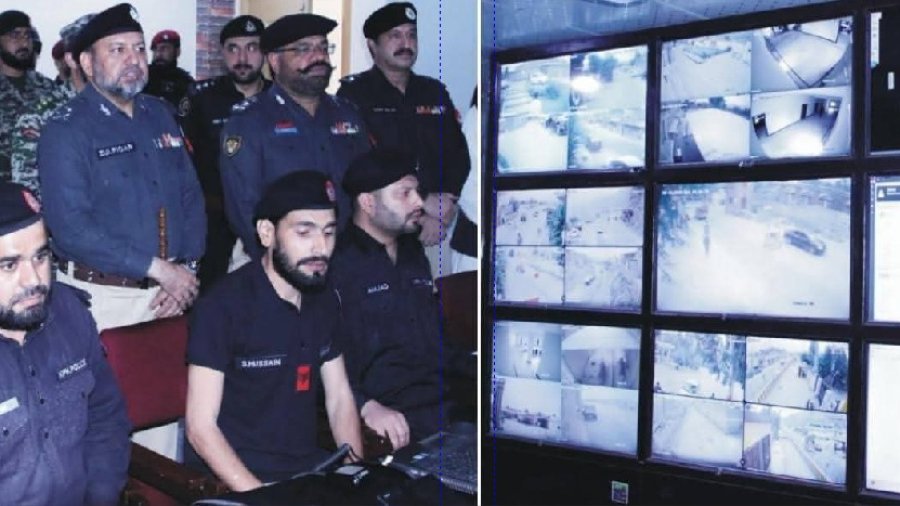
This expansion signifies more than just the installation of cameras; it represents a paradigm shift towards data-driven policing. The Safe City system integrates high-definition surveillance cameras, automatic number plate recognition (ANPR), facial recognition systems and centralized command and control centers. These technologies allow law enforcement agencies to monitor urban environments in real-time, track suspicious activities and respond swiftly to incidents.

Reports indicate that the Peshawar Safe City Project includes thousands of cameras strategically installed across key locations, including entry and exit points, commercial hubs and sensitive zones. The system is, in turn, connected to an integrated command center, enabling authorities to coordinate responses efficiently.

In Mise-en-scène, the project’s phased expansion into southern districts aims to replicate this success, creating a networked security grid across the province.        The impact of this initiative is already becoming evident. Crime detection rates have improved, response times have decreased and there is a growing sense of security among citizens. Moreover, the presence of surveillance infrastructure acts as a deterrent, discouraging criminal activities before they occur. Importantly, the Safe City Project also enhances transparency and accountability within law enforcement, as recorded footage can be used for evidence and oversight.

However, the project’s success depends not only on technology but also on effective governance, maintenance and data protection. Ensuring that these systems are used ethically and responsibly will be crucial in maintaining public trust while maximizing their security benefits.

Neutralising Modified Drones: KP Police at the Technological Frontier

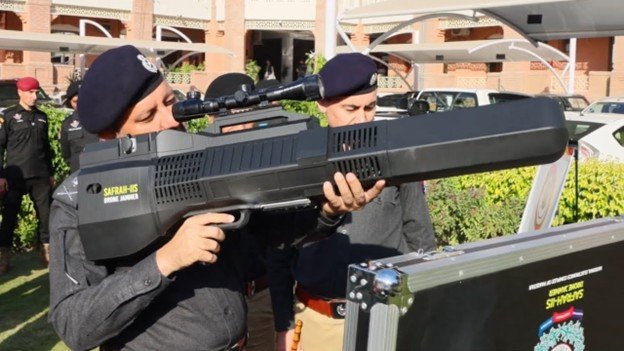
As security threats evolve, so too must the strategies to counter them. One of the most alarming developments in recent years has been the use of modified drones by militant groups for surveillance, smuggling, and even targeted attacks. Recognizing this emerging threat, the KP Police Department has taken proactive measures to establish several specialized drone units aimed at countering such challenges.

These units are equipped with advanced technologies capable of detecting, tracking and neutralizing unauthorized drones. This includes radio frequency jamming, GPS spoofing and kinetic interception methods. By disrupting communication signals between drones and their operators, law enforcement can effectively render these devices inoperative or force them to land safely.

The establishment of a dedicated counter-drone unit underscores the province’s commitment to staying ahead of technologically sophisticated threats. It also highlights a broader shift in security strategy from passive defense to active disruption of threats before they materialize.

The use of drones by law enforcement agencies themselves further enhances operational capabilities. Surveillance drones provide aerial intelligence, enabling authorities to monitor remote or inaccessible areas, further facilitating the conduction of search and rescue operations, and supporting ground forces during critical missions. This multifaceted approach, both defensive and offensive, positions KP Police as a far-sighted institution embracing innovation and modernity.

Importantly, the counter-drone initiative is not merely a technical upgrade; it is a strategic necessity. As militant groups increasingly adopt asymmetric warfare tactics, including the use of low-cost, high-impact technologies like drones, state institutions must respond with equal agility and sophistication.

Dismantling Extremist Narratives: The Digital Battlefield

While physical and technological threats pose significant challenges, the battle against false narrative building is already being fought in the digital realm. Terrorist and other extremist groups have significantly exploited social media platforms and online forums to spread propaganda, recruit members and radicalize vulnerable individuals. Recognizing this, KP authorities are increasingly focusing on dismantling extremist narratives through digital countermeasures via the proactive presence of the National Cyber Crime Investigation Agency (NCCIA).

This involves monitoring online spaces for extremist content, collaborating with federal agencies and tech platforms to remove harmful material, and promoting counter-narratives that emphasize peace, tolerance and social cohesion. Cyber units within law enforcement agencies are tasked with identifying and tracking individuals involved in online radicalization efforts.

Education and community engagement also play a critical role in this strategy. By raising awareness about the dangers of online extremism and encouraging critical thinking, authorities aim to build societal resilience against radical ideologies. Initiatives involving youth engagement, digital literacy programs and partnerships with civil society organizations are essential components of this approach.

Furthermore, the use of data analytics and artificial intelligence enables authorities to identify patterns of online behavior associated with radicalization. This allows for early intervention, preventing individuals from progressing further along the path of extremism.

The success of these efforts lies in balancing security with civil liberties. While it is imperative to curb extremist content, it is equally important to protect freedom of expression and privacy rights. Transparent policies, legal frameworks and oversight mechanisms are essential in ensuring that digital surveillance does not lead to misuse or overreach.

Towards an Integrated Security Ecosystem

The convergence of Safe City expansion, counter-drone capabilities and digital counter-extremism efforts portrays a comprehensive approach to adapting to modern security. Rather than relying solely on physical barriers and reactive measures, KP is building an integrated ecosystem that leverages technology, intelligence and community engagement.

This transformation is not without challenges. Financial constraints, technical expertise, infrastructure maintenance and cybersecurity risks all pose potential hurdles. However, the long-term benefits far outweigh these concerns. A digitally empowered security framework enhances not only safety but also economic growth, investor confidence and overall quality of life.

Moreover, KP’s approach can serve as a model for other regions facing similar challenges. By embracing innovation and adopting a holistic strategy, the province demonstrates that security in the 21st century is not about fortifying walls but about building intelligent systems.

The transition from sandbags to sensors symbolises more than a technological upgrade; it represents a fundamental rethinking of security in an increasingly complex world. Khyber Pakhtunkhwa’s journey into the Ironclad Digital Era reflects resilience, adaptability and a forward-looking vision.

Through the expansion of the Safe City Project, the proactive neutralization of drone threats and the strategic dismantling of extremist narratives online, the province is redefining its security architecture. These efforts not only address immediate challenges but also lay the foundation for a safer, more stable future.

Sahibzada Usman Article

FAK’S FAKE IDEOLOGY

Dr. Sahibzada Muhammad Usman

Fitna al-Khawarij, commonly used in Pakistan’s counterterrorism discourse for the banned Tehreek-e-Taliban Pakistan, is not a religious reform movement but a violent project built on intimidation, propaganda and criminal control. Pakistan’s decision to label TTP as Fitna al-Khawarij was meant to expose the group’s distortion of religion and its rebellion against the state’s constitutional order. International sources also identify TTP as an armed extremist organization: the UN lists it under the ISIL and Al-Qaida sanctions regime. At the same time, the US National Counterterrorism Center and the Counter Extremism Project describe it as a militant group seeking to overthrow the Pakistani state (National Counterterrorism Center, 2026).

Targeting civilians and civilian infrastructure

The clearest evidence against FAK’s fake ideology is the identity of its victims. Terror groups that attack schools, markets, mosques, police lines, courts, homes and roads cannot claim any moral or religious legitimacy. Human Rights Watch documented attacks on students, teachers and schools in Pakistan, showing how militants turned education itself into a battlefield (Human Rights Watch, 2017). In March 2025, a suicide bombing in Bannu killed civilians, including children, and damaged civilian structures, including a mosque and marketplace (Reuters, 2025). ACLED’s 2025 analysis also shows that TTP violence has re-emerged as a major national security threat, with expanding attacks and clashes in the borderlands (ACLED, 2025). These acts reveal a simple truth: FAK does not defend society; it punishes society for refusing to surrender.

The religious answer to extremism

FAK’s propaganda collapses before the religious consensus expressed in Paigham-e-Pakistan. This national counter-extremism declaration, developed with the involvement of scholars from different schools of thought, rejects terrorism, suicide attacks, armed rebellion and private militias in the name of religion (Islamic Research Institute, 2018; Paigham-e-Pakistan, 2022). NACTA’s national narrative against terrorism also stresses that defeating extremism requires both security action and an ideological response (National Counter Terrorism Authority, n.d.). This is important because FAK depends on confusion: it tries to present murder as jihad, extortion as taxation and rebellion as faith. Paigham-e-Pakistan exposes that deception from within Islamic scholarship itself.

Misusing Masajid Desecrates Holy Places

A mosque is a place of prayer, humility and community peace. When militants use mosques for shelter, weapons, intimidation or propaganda, they desecrate the sacred space before any operation ever begins. The Lal Masjid crisis remains a painful example of how armed confrontation inside a religious compound can endanger worshippers, students and the sanctity of the mosque itself (Walsh, 2007a, 2007b). More recent reports of violence around mosques and seminaries show the same pattern: extremists exploit public reverence for holy places and then use that reverence as a shield (Associated Press, 2025a; Eurasia Review, 2025). A group that turns a mosque into a hideout or battlefield is not protecting religion; it is dragging worship into its own criminal war.

Money, power and internal infighting

            FAK’s financial behavior further exposes its hypocrisy. Terrorist financing does not come from spiritual purity; it comes from extortion, kidnapping, robbery, illegal taxation and coercive fundraising. FATF’s 2025 report highlights how terrorist groups adapt criminal financing methods, while the Global Initiative Against Transnational Organized Crime reported TTP-linked extortion threats against traders, doctors and local communities.

XCEPT’s study of TTP’s reinvention describes structural reorganization, financing and propaganda as central to the group’s resurgence (Firdous, 2025). Internal factionalism tells the same story. West Point’s Combating Terrorism Center described TTP’s internal divisions, and the UN identifies Jamaat-ul-Ahrar as a splinter terrorist group of TTP (Jadoon & Mines, 2018). Groups driven by greed and command rivalries cannot credibly speak the language of sacrifice.

The verdict

FAK’s ideology is fake because its conduct is criminal. It targets civilians, destroys infrastructure, misuses mosques, manipulates religious emotion and fights internally for money and power. Pakistan’s response must therefore remain firm, lawful and comprehensive: protect civilians, secure schools and worship places, disrupt terror financing, block extremist propaganda and amplify the religious consensus against militancy. The struggle is not against religion. It is against those who wear religion as camouflage for terror.

Surge in Terrorism Maaz Khan Article

THE SURGE AND RESPONSE: PAKISTAN’S MULTI-LAYERED STRATEGY TO DISMANTLE MILITANT NETWORKS

Pakistan has witnessed marked deterioration in its internal security environment in recent years, particularly in Khyber Pakhtunkhwa (KP) and the erstwhile Federally Administered Tribal Areas (FATA).

Security personnel and civilians alike are being targeted in this renewed wave of terrorism, receding many of the gains achieved through earlier counter-terrorism campaigns.

The resurgence of terrorism has compelled the Pakistani state to recalibrate its security strategy. Instead of relying solely on defensive measures, the country has increasingly adopted a proactive and intelligence-driven approach aimed at dismantling militant networks, denying them operational space and preventing large-scale attacks. This evolving strategy encompasses targeted intelligence-based operations (IBOs), precision engagements, enhanced border security measures, and, where deemed necessary, strikes against militant sanctuaries located across the border in Afghanistan.

A major factor cited by Pakistani authorities in explaining the worsening law-and-order situation is the availability of safe havens for Fitna al-Khawarij(FAK) and other anti-Pakistan militant groups inside Afghanistan.

These groups exploit Afghan territory for recruitment, ideological indoctrination, training, logistical support and operational planning before infiltrating into Pakistan to conduct attacks. Pakistani officials have repeatedly asserted that militant commanders involved in orchestrating attacks on Pakistani soil continue to operate from locations beyond the country’s western border.

The issue has become one of the most contentious aspects of Pakistan-Afghanistan relations. Pakistan maintains that the failure to dismantle these sanctuaries has emboldened militant organisations and facilitated their operational resurgence. Afghan authorities, however, have consistently rejected these allegations, arguing that Afghanistan does not permit its territory to be used against any other country, describing Pakistan’s security challenges as an internal matter.

Despite these diplomatic disagreements, the persistence of cross-border attacks has heightened tensions between the two neighbouring states and has significantly influenced Pakistan’s current counter-terrorism posture.

The deteriorating security landscape has been reflected in a steady increase in militant attacks across several districts of Khyber Pakhtunkhwa and Balochistan. Security checkpoints, police stations, military convoys and civilian gatherings have repeatedly come under attack.

The evolving nature of the threat has required security institutions to move beyond conventional military deployments and adopt more agile, intelligence-led responses capable of neutralising emerging threats before they materialise.

The Resurgence of Violence

Data compiled by the Centre for Research and Security Studies (CRSS), an Islamabad-based independent non-profit think tank, shows a sharp escalation in violence over the past four years and underscores that the current security crisis is part of a broader regional trend.

2022: The Beginning of the Surge

Pakistan recorded 512 militant incidents nationwide, resulting in 980 fatalities and injuries to 750 individuals. Khyber Pakhtunkhwa emerged as the most affected province, accounting for 313 attacks, which claimed 633 lives and left 420 people injured.

2023: Violence Intensifies

The following year witnessed a significant escalation. Around 789 incidents of violence were reported nationwide, causing 1,533 fatalities and 1,462 injuries. Khyber Pakhtunkhwa alone accounted for 458 attacks, indicating a widening operational footprint of militant groups.

2024: One of the Deadliest Years

The security situation deteriorated dramatically in 2024, making it one of the most violent years in recent memory. Across Pakistan, 1,166 incidents were recorded, resulting in 2,546 deaths and 2,267 injuries.

Khyber Pakhtunkhwa remained the epicentre of the crisis, witnessing 693 attacks that claimed 1,616 lives and injured 1,037 people.

2025: The Upward Trajectory Continues

Rather than stabilising, the trend accelerated further in 2025. Pakistan experienced 1,272 militant incidents, leading to 3,417 fatalities and 2,134 injuries.

Khyber Pakhtunkhwa recorded 795 attacks, leaving 2,331 people dead and 1,206 injured, reinforcing concerns that militant groups had regained substantial operational capability. The progression of violence over these four years highlights the extraordinary scale of the challenge confronting Pakistan’s security institutions. Between 2022 and 2025, national incidents more than doubled, while fatalities increased more than threefold. Khyber Pakhtunkhwa consistently bore the heaviest burden of this renewed insurgency.

The Changing Face of Militancy

Specialised data from the Khyber Pakhtunkhwa Counter-Terrorism Department (CTD) further illustrates how militant tactics have evolved beyond conventional attacks.

Between January 2024 and April 6, 2026, the province recorded a staggering 2,359 terrorist activities, reflecting both the intensity and diversification of militant operations. The breakdown of these incidents reveals the operational methods increasingly employed by militant groups:

  • 1,265 incidents of direct firing
  • 365 Improvised Explosive Device (IED) blasts
  • 244 targeted killings
  • 181 hand grenade attacks
  • 125 kidnappings for ransom
  • 22 suicide bombings.

Most notably, militant organisations have increasingly embraced emerging technologies to enhance their capabilities.

During the same period, authorities documented 156 drone attacks, signalling a new and troubling phase in Pakistan’s security challenge. Of these, 80 occurred in 2025, while 77 were recorded during the first three months of 2026 alone, indicating both the growing accessibility of drone technology and militants’ willingness to employ it for reconnaissance, intimidation and offensive purposes.

This shift towards technologically enabled violence illustrates the adaptive nature of contemporary militant networks.

The threat confronting Pakistan is no longer limited to traditional insurgent tactics; it now encompasses sophisticated methods that demand equally innovative responses from intelligence, law enforcement and military institutions.

Targeting Militant Sanctuaries

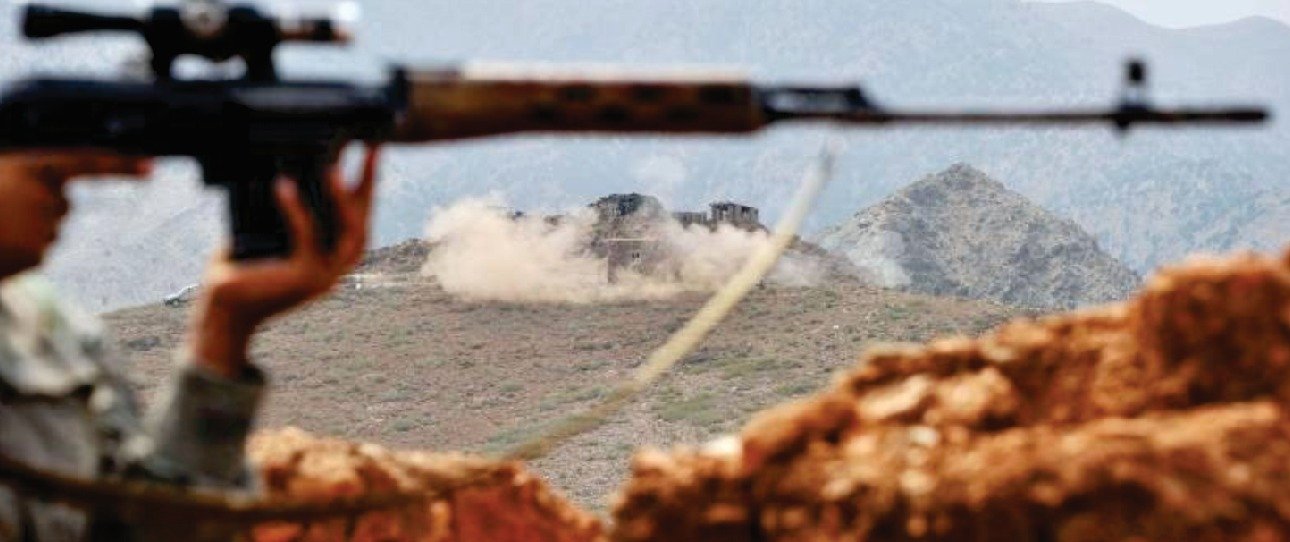
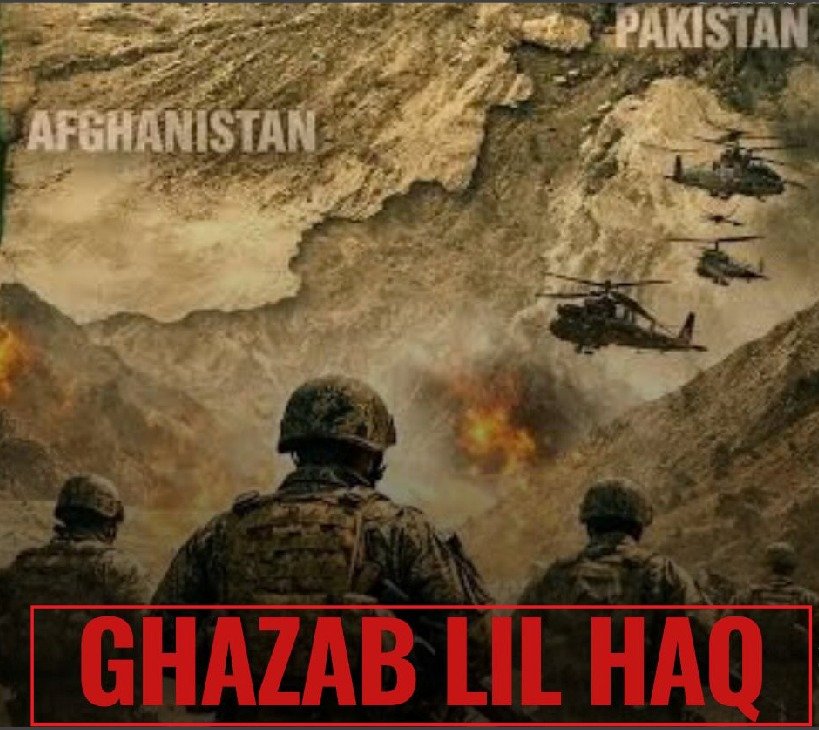
Against the backdrop of persistent cross-border terrorism, Pakistan initiated Operation Ghazab-lil-Haq, described by officials as a calibrated military response aimed at neutralising militant infrastructure facilitating attacks against Pakistan.

The operation represented a significant shift in strategic thinking. Rather than remaining confined to reactive responses following attacks, Pakistan sought to deny militants the ability to organise, regroup and plan operations from what it described as external sanctuaries.

According to official accounts, the operation targeted:

  • Militant hideouts and training facilities
  • Command-and-control centres
  • Weapons and ammunition depots
  • Communication hubs

Logistical networks supporting insurgent activityFacilities allegedly used for planning attacks against Pakistan

Pakistani authorities characterised these strikes as limited, precise and necessary for national defence. The stated objective was not territorial escalation but the disruption of terrorist capabilities that posed an immediate threat to Pakistan’s security.

Operation Ghazab-lil-Haq therefore symbolised a transition from strategic restraint to a more proactive doctrine designed to impose costs on groups exploiting cross-border safe havens.

The Cornerstone of Counter-Terrorism

Parallel to these measures, intelligence-based operations have emerged as one of the most critical components of Pakistan’s counter-terrorism framework.

Unlike large-scale military offensives involving prolonged troop deployments, IBOs rely on actionable intelligence gathered through human intelligence networks, technical surveillance, signals intelligence, inter-agency information sharing, real-time reconnaissance, and local law-enforcement inputs.

These operations enable security forces to conduct focused actions against specific militant cells, facilitators and commanders while limiting disruption to normal civilian life.

Over recent years, hundreds of such operations have reportedly been conducted across  affected regions. These engagements have led to the elimination of numerous militants and the recovery of weapons, explosives, communication equipment and propaganda material.

The increasing reliance on IBOs reflects an understanding that contemporary militant threats are fluid and decentralised. Small cells operating independently require precision responses rather than broad conventional campaigns.

Minimising Civilian Harm

A defining characteristic of Pakistan’s recent counter-terrorism approach has been its emphasis on avoiding civilian casualties.

Security officials have repeatedly maintained that operations undergo extensive planning and intelligence verification to distinguish militant targets from civilian populations.

Measures employed to minimise collateral damage include:

  • Multi-layered intelligence validation
  • Continuous target surveillance
  • Precision-guided engagements
  • Careful timing of operations
  • Selection of isolated targets where feasible
  • Real-time operational oversight

Officials argue that adherence to these principles reflects both strategic necessity and humanitarian responsibility.

Protecting civilian lives is viewed not merely as a moral obligation but also as a critical element in preventing extremist groups from exploiting public grievances for recruitment and propaganda purposes.

Bannu: A Critical Theatre of Counter-Terrorism

Bannu, among the districts most affected by the renewed wave of militancy, occupies a particularly significant position.

Located near former tribal areas and historically utilised militant transit routes, the district has suffered from repeated attacks targeting security personnel and public infrastructure. The area has consequently emerged as a focal point for intelligence-led counter-terrorism activities.

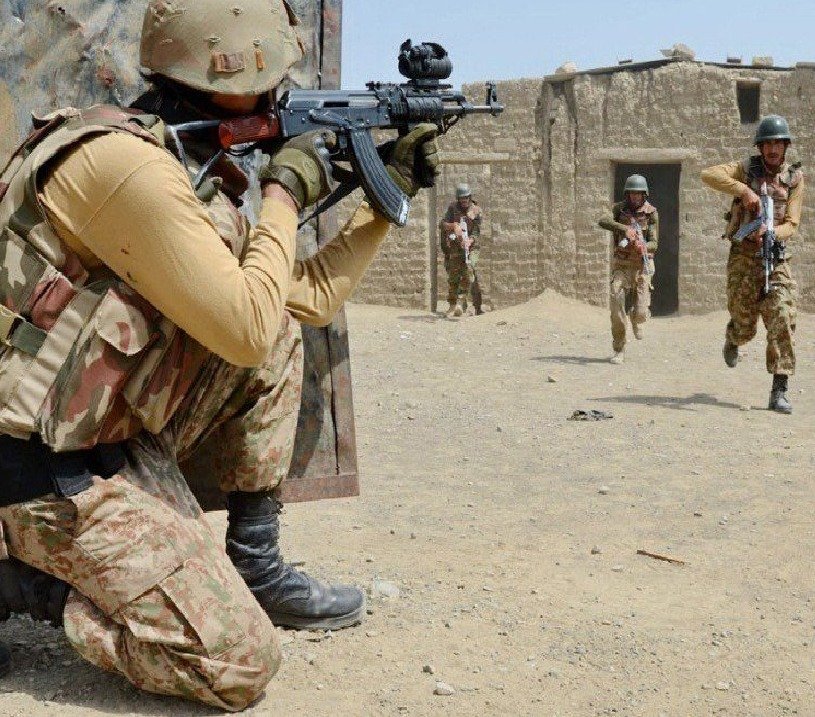
Security forces have conducted multiple operations in and around Bannu aimed at preventing militant infiltration, disrupting planned attacks, eliminating active terrorist cells, recovering weapons and explosives, and strengthening local security mechanisms.

The recurring nature of militant activity in Bannu underscores the strategic importance of the district within Pakistan’s broader security landscape.

Other Significant Engagements

Major engagements have also occurred in North

Waziristan, South Waziristan, Bajaur, Khyber, Kurram, and border sectors including Ghulam Khan.

These operations have involved both defensive actions against infiltration attempts and offensive engagements targeting militant concentrations. Collectively, they demonstrate the broad geographic spread of contemporary security challenges and the necessity of maintaining sustained pressure on militant networks across multiple fronts.

Strategic Implications

Pakistan’s evolving counter-terrorism doctrine reflects lessons learned from previous campaigns against insurgency.

  • The strategy increasingly emphasises:
  • Pre-emption over reaction
  • Intelligence integration
  • Precision targeting
  • Inter-agency coordination
  • Border management
  • Civilian protection
  • Sustained operational pressure

Security officials argue that the objective is not merely the elimination of individual militants but the systematic degradation of the organisational ecosystems that sustain extremist violence.

 At the same time, the persistence of cross-border militancy demonstrates that military measures alone cannot entirely resolve the challenge. Lasting stability will require effective regional cooperation, strengthened governance, socioeconomic development in vulnerable areas, and the continued

resilience of local communities affected by violence.

Pakistan’s worsening law-and-order situation has prompted a comprehensive recalibration of its counter-terrorism strategy. Faced with a resurgence of militant violence, rapidly evolving militant tactics, and allegations of external sanctuaries facilitating attacks, the state has adopted a multi-layered response centred on intelligence-based operations, targeted engagements, enhanced border security, and precision strikes against militant infrastructure.

Operations such as Ghazab-lil-Haq and sustained intelligence-led actions in Bannu, Waziristan, Bajaur, Khyber, Kurram, and other sensitive regions illustrate Pakistan’s determination to deny extremist groups the operational space required to threaten national security.

While the challenge remains complex and politically sensitive, Pakistani security institutions maintain that sustained, calculated and precise pressure on terrorist networks remains indispensable for restoring public confidence, safeguarding citizens, and ensuring long-term stability in the country.