Salman Ahmad
Khyber Pakhtunkhwa (KP) is often described as Pakistan’s hydel energy heartland. Home to the country’s largest hydropower resources, including the iconic Tarbela Dam, the province has 14,353 MW installed capacity of hydropower generation in both the public and private sectors. According to 2025 statistics, KP generates approximately 4,500 megawatts (MW) of electricity for the national grid; however, its local demands are under 3000 MW, exporting the surplus to the rest of the country. Yet, despite this surplus production, millions of residents continue to endure prolonged power outages, unreliable supply and rising electricity costs.
This contradiction lies at the heart of KP’s electricity crisis; a province rich in power generation but unable to ensure reliable electricity for its own people.
The Real Crisis
The electricity crisis in KP is frequently portrayed as a shortage of power. In reality, the problem is far more complex. It is driven by a combination of electricity theft, outdated infrastructure, financial losses, governance challenges and Pakistan’s broader energy-sector weaknesses.
According to recent reports, the majority of KP’s public experiences between 12 and 20 hours of daily load shedding, particularly during peak summer demand. The gap between electricity demand and supply remains significant. Peshawar Electric Supply Company (PESCO), the province’s primary distribution company, has reported a widening demand-supply gap, forcing additional hours of unscheduled power outages in many districts.
However, generation is not the issue. Pakistan has sufficient installed electricity generation capacity to meet average demand. The challenge lies in transmitting, distributing and financially sustaining the electricity system.
The Cost of Theft and System Losses
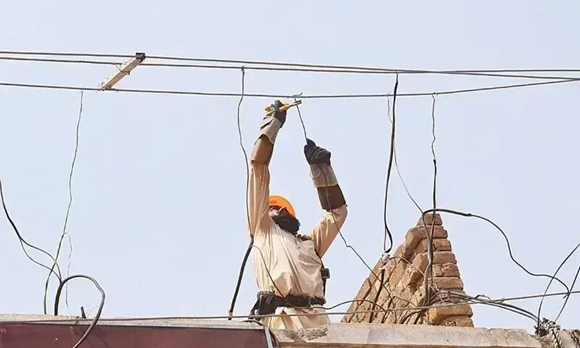
One of the most serious contributors to the crisis is electricity theft, commonly known as “kunda culture.” Illegal connections, non-payment of bills and weak enforcement mechanisms have severely undermined the financial viability of the power sector.
According to PESCO’s 2025 performance report, Khyber Pakhtunkhwa suffered losses of app-roximately Rs 193.4 billion during the first eleven months of fiscal year 2024-25 due to electricity theft and technical inefficiencies. The province recorded overall losses of 36.69 percent, equivalent to nearly Rs 583 million per day. Districts such as Bannu reported losses exceeding 73 percent, while Peshawar recorded the highest financial losses in absolute terms, exceeding Rs 51 billion.
These losses create a vicious cycle. When large volumes of electricity are consumed without payment, distribution companies lose revenue required for maintenance, upgrades and expansion. In response, utilities often impose longer outages on high-loss feeders, which further frustrates paying consumers and weakens public trust.
Ageing Infrastructure and Technical Failures
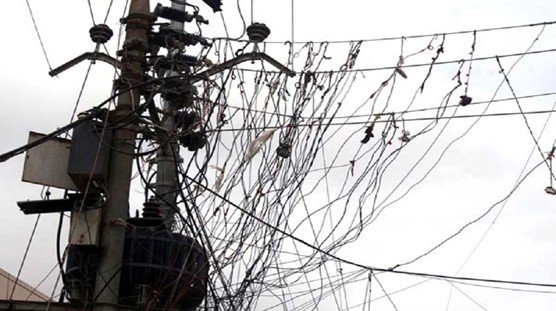
Much of KP’s transmission and distribution network is aging and inefficient. Old transformers, overloaded feeders and deteriorating transmission lines result in substantial technical losses before electricity reaches consumers. Voltage fluctuations damage household appliances, while overloaded infrastructure contributes to frequent breakdowns and prolonged outages. The province’s challenging geography further complicates matters. Extending and maintaining power infrastructure across mountainous and remote regions requires substantial investment and technical capacity. As a result, many rural communities remain particularly vulnerable to unreliable supply.
The Burden of Circular Debt
KP’s electricity challenges are closely linked to Pakistan’s broader energy-sector crisis. For years, Pakistan’s power sector has struggled with circular debt—a chain of unpaid obligations involving consumers, distribution companies, fuel suppliers, power producers and government institutions. This financial burden has constrained investment, increased electricity tariffs, and reduced the sector’s ability to modernize infrastructure.
The result is a system where even available electricity cannot always be delivered efficiently due to financial and operational bottlenecks.
A Province Rich in Hydropower, Yet Energy Poor
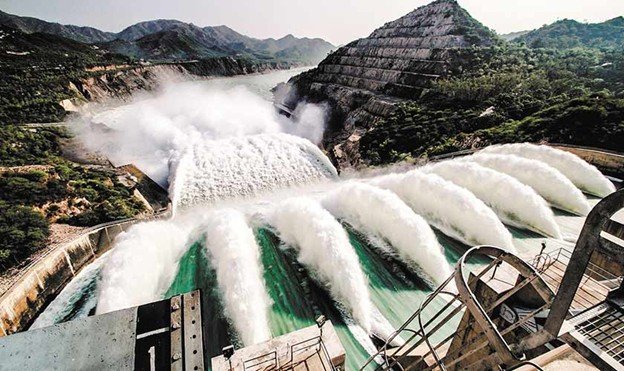
Perhaps the most politically sensitive aspect of the crisis concerns KP’s vast hydropower resources. The province possesses an estimated hydropower potential ranging from 14,000 MW to over 30,000 MW, representing a substantial share of Pakistan’s total hydro-electric potential. Yet only a fraction of this capacity has been developed. Much of the existing generation is managed by federal institutions, while electricity flows into the national grid rather than directly serving local communities.
This has fueled a longstanding debate between the provincial and federal governments regarding net hydel profits, revenue sharing and control over energy resources. Many residents argue that KP bears the environmental and social costs of major hydropower projects while receiving insufficient benefits in return.
Public Frustration and Economic Consequences
The consequences of unreliable electricity extend far beyond household inconvenience. Businesses face higher operating costs as they increasingly rely on generators and backup systems. Small industries struggle to remain competitive amid rising energy expenses and production disruptions. Farmers face challenges operating tube wells and irrigation systems, while schools and healthcare facilities must contend with frequent interruptions.
Prolonged outages have also triggered protests across various districts, reflecting growing public frustration. In a province already grappling with economic and security challenges, energy shortages have become a significant source of social and political discontent.
The Promise of Renewable Energy
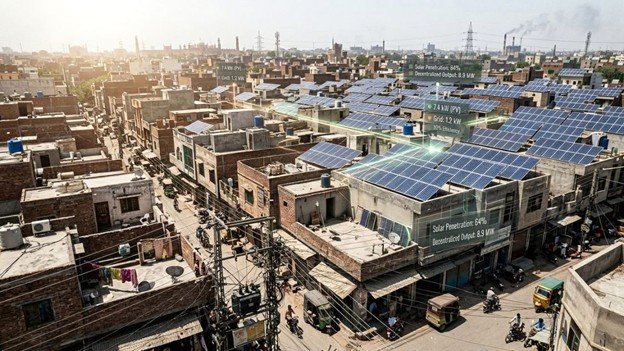
Amid the crisis, there are signs of hope. Pakistan is experiencing a remarkable solar energy boom, driven by rising electricity prices and declining solar panel costs. Households, businesses and communities are increasingly investing in rooftop solar systems to reduce dependence on the national grid. Analysts estimate that distributed solar generation now represents a significant and rapidly growing component of Pakistan’s energy mix.
KP is particularly well-positioned to benefit from this transition. In addition to its enormous hydropower potential, the province enjoys favorable solar conditions and opportunities for community-based renewable energy projects. Through the Pakhtunkhwa Energy Development Organization (PEDO), several small and medium hydropower projects have already been completed, with additional initiatives under development.
From Crisis to Opportunity
The electricity crisis in KP is not fundamentally a generation problem. It is a crisis of governance, infrastructure, enforcement and financial management.
Addressing it will require reducing electricity theft, modernizing transmission networks, improving bill recovery, resolving federal-provincial disputes over hydropower revenues and accelerating investment in renewable energy. Equally important is strengthening institutional accountability and ensuring that paying consumers are not punished for systemic failures.
Khyber Pakhtunkhwa possesses the resources to become a model of sustainable and reliable energy production. Whether it can transform that potential into reality will depend on the willingness of policymakers to confront the structural weaknesses that continue to leave an energy-rich province in the dark.