Ghulam Hassan Sajid
The Khyber Pakhtunkhwa (KP) Youth Policy 2026 represents a futuristic and comprehensive framework envisaged to empower the province’s largest and most dynamic demographic asset—its youth. With a significant proportion of the population under the age of 30, KP stands at a pivotal juncture where strategic investment in youth development can yield long-term social, economic and political results. This policy is not merely a statement of intent but a pragmatic roadmap for sustainable progress, focusing on critical domains such as access to modern technologies, civic engagement, post-conflict recovery, environmental stewardship and cultural enrichment.
Access to Digital and Modern Technologies
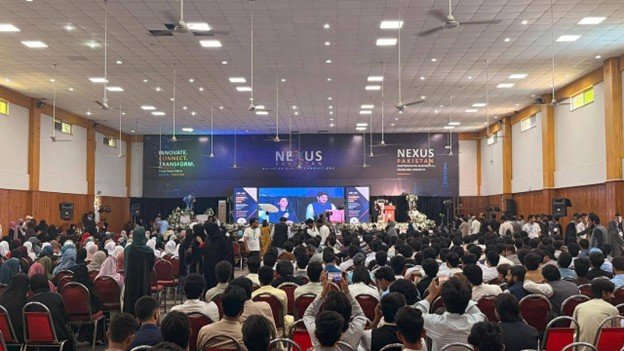
Access to digital and modern technologies is no longer a luxury but has become a necessity. The KP Youth Policy 2026 rightly identifies this domain as a cornerstone for youth empowerment. Bridging the digital divide is essential to ensure that young people across urban and rural areas can participate equally and meaningfully in the global knowledge economy.
The policy emphasizes expanding digital infrastructure across the province, promoting IT literacy, and developing innovation ecosystems. Initiatives such as youth innovation hubs, coding boot camps and partnerships with private tech firms are envisioned to engage young individuals in market-relevant skills and equip them for the tech-driven market. Furthermore, enhancing internet accessibility in remote and merged areas is critical to reducing inequalities and enabling equitable opportunities.
By investing in digital inclusion, the government can unlock entrepreneurial potential among youth, encourage freelancing and remote work, and position KP as a competitive player in the digital economy. Such measures not only enhance employability but also cultivate a culture of creativity and problem-solving.
Civic and Political Engagement
A vibrant democracy thrives on active citizen participation, and youth engagement is fundamental to this process. The KP Youth Policy 2026 underscores the importance of involving young people in civic and political life, recognizing them as key stakeholders in governance and decision-making.
The policy advocates for the revival of student unions and the establishment of youth councils to provide structured platforms for expression and leadership development. These initiatives aim to foster a sense of responsibility, critical thinking and democratic values among young citizens. As highlighted in the policy framework, formal mechanisms such as the Provincial Youth Council will facilitate dialogue between policymakers and youth representatives, ensuring that youth perspectives are integrated into governance processes.
Moreover, embedding youth participation within local governance structures, such as village and neighborhood councils, ensures grassroots-level engagement. This approach not only strengthens democratic institutions but also empowers youth to address community-specific challenges effectively.
Post-Conflict Merged Areas
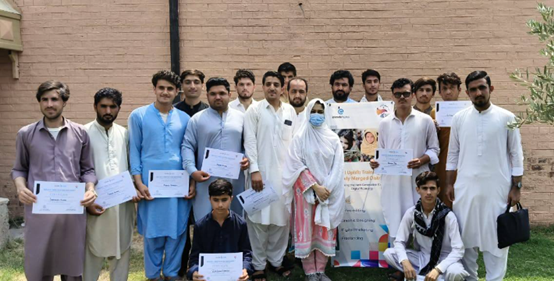
Khyber Pakhtunkhwa has faced unique security challenges, particularly in its merged districts (formerly FATA). The Youth Policy 2026 adopts a sensitive and inclusive approach to address the needs of youth in these post-conflict regions.
The policy prioritizes rehabilitation, psychosocial support and economic reintegration for young people affected by conflict. By focusing on education, vocational training and employment opportunities, it seeks to prevent marginalization and reduce the risk of radicalization. Special attention is given to infrastructure development ensuring access to schools, healthcare facilities, and community centers.
Importantly, the policy recognizes that sustainable peace is closely linked to youth inclusion. By engaging young people in peace-building initiatives and community development programs, the government can foster resilience and social cohesion. Empowered youth can act as agents of change, contributing to stability and long-term development in the region.
Climate Change and Environment
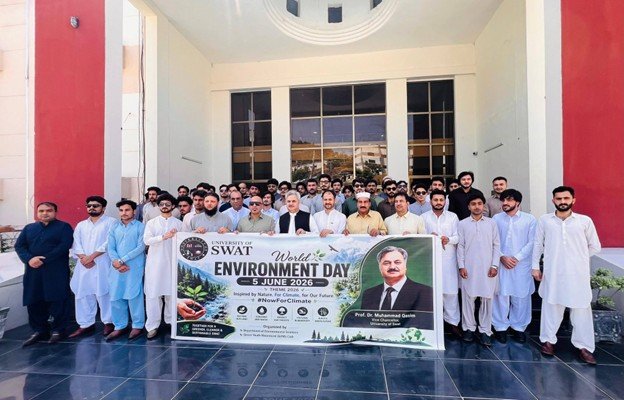
Climate change poses a significant threat to the socio-economic fabric of Khyber Pakhtunkhwa, making environmental sustainability a critical priority. The Youth Policy 2026 acknowledges the vital role of young people in addressing environmental challenges and promoting sustainable practices.
The policy encourages youth participation in climate action through awareness campaigns, green initiatives and environmental education. Programs such as tree plantation drives, waste management projects and renewable energy initiatives provide practical avenues for engagement. By integrating environmental education into curricula and community activities, the policy aims to cultivate environmentally conscious citizens.
Furthermore, empowering youth to lead climate initiatives not only addresses environmental concerns but also creates new economic opportunities in green industries. From eco-tourism to sustainable agriculture, the potential for innovation and employment in this sector is immense.
Arts, Sports and Culture

The development of youth is incomplete without nurturing their creative and physical potential. The KP Youth Policy 2026 places significant emphasis on promoting arts, sports and cultural activities as essential components of holistic development.
Investments in sports infrastructure, talent identification programs and cultural festivals are central to this vision. By providing platforms for artistic expression and athletic excellence, the policy aims to channel youth energy into constructive and productive pursuits. This not only enhances physical and mental well-being but also strengthens social bonds and cultural identity.
The policy also recognises the economic potential of creative industries. By supporting young artists, musicians and performers, the government can foster a vibrant cultural economy that contributes to both employment and tourism. Legislative support for sports and creative sectors further reinforces the commitment to youth-centric cultural development.
The Khyber Pakhtunkhwa Youth Policy 2026 is a comprehensive and visionary framework that addresses the multifaceted needs of the province’s youth. By focusing on digital inclusion, civic participation, post-conflict recovery, environmental sustainability and cultural development, the policy lays the foundation for an inclusive and prosperous future.
However, the success of this policy depends on effective implementation, adequate resource allocation and continuous monitoring. Institutional strengthening, as outlined in the policy, will play a crucial role in ensuring accountability and coordination across sectors. Annual reporting and evaluation mechanisms will further enhance transparency and impact assessment.
In essence, investing in youth is investing in the future. The KP Youth Policy 2026 provides a timely and strategic opportunity to harness the potential of young people, transforming them into empowered citizens, innovative entrepreneurs and responsible leaders. With sustained commitment and collaborative efforts, this policy can catalyze lasting progress and development in KP.